

The Legend of Zelda: Ocarina of Time — Legacy and Facts
Introduction
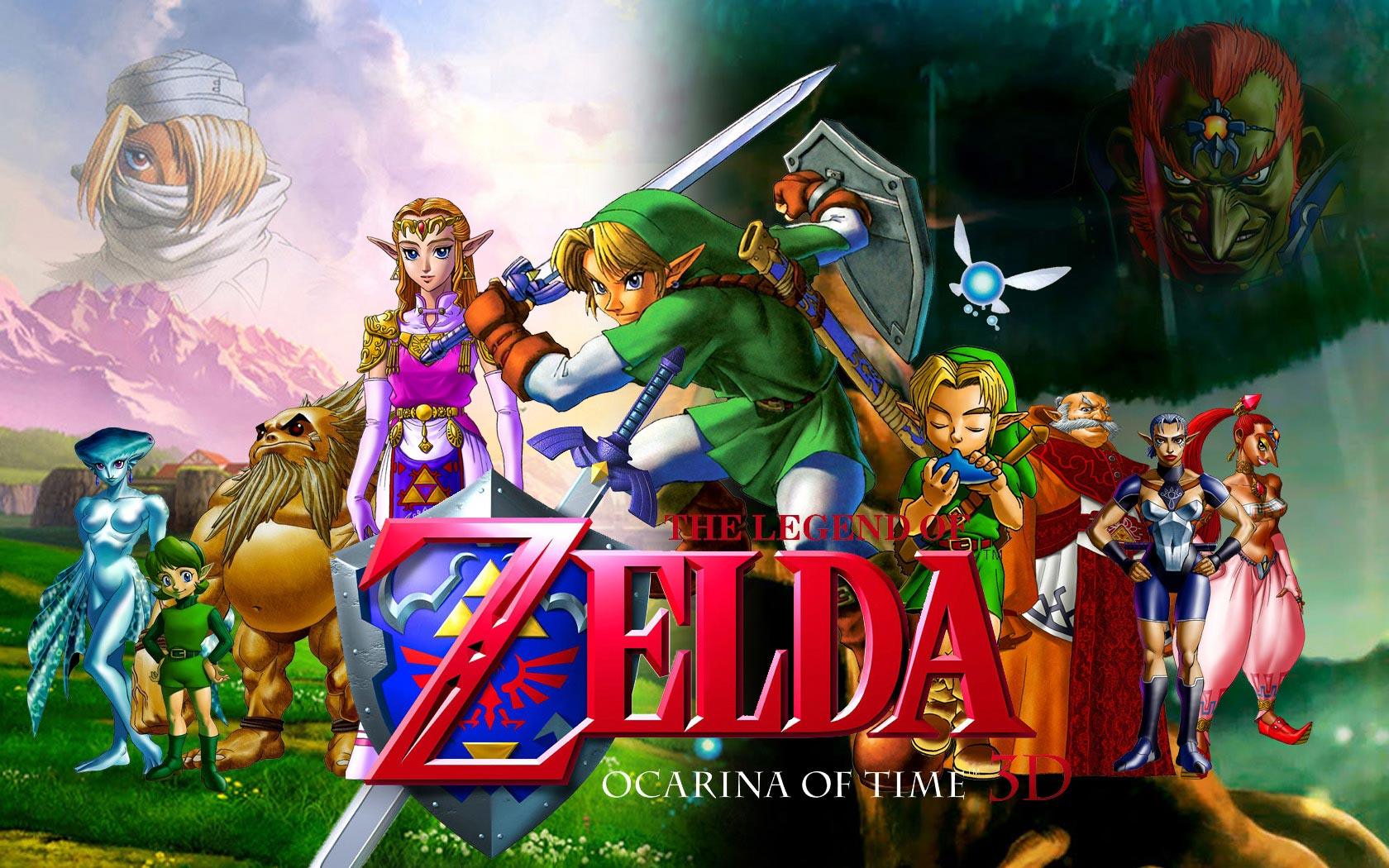
The Legend of Zelda: Ocarina of Time remains a pivotal title in gaming history. Released in 1998, this action-adventure game from Nintendo marked the series’ first appearance on the Nintendo 64 and established design and narrative approaches that influenced subsequent entries. Its continued relevance is seen in ports, curated collections and ongoing community engagement, underlining why it remains important to players and historians of the medium.
Main details
Development and release
The Legend of Zelda: Ocarina of Time was developed and published by Nintendo for the Nintendo 64 in 1998. As the first main-series Zelda title on the N64, it represented a transition from the franchise’s earlier 2D entries to a fully realised 3D world. Nintendo later included a port of Ocarina of Time on the GameCube as part of The Legend of Zelda: Collector’s Edition, making the game accessible to a new audience on a subsequent Nintendo console.
Series placement
According to available series listings, Ocarina of Time is the fifth main instalment in The Legend of Zelda franchise. Its placement marks a key evolution for the series, bridging earlier top-down adventures and later fully 3D titles. The game is often discussed alongside other main-series releases when tracing the franchise’s development.
Reception and community
Ocarina of Time has enjoyed enduring acclaim and attention. It has been cited in retrospective compilations of influential games, appearing in lists such as “The 100 best games of all time.” Beyond formal recognition, community activity persists: fan-created walkthroughs, forum and subreddit discussions, and dedicated wiki entries continue to document gameplay, lore and player experiences, reflecting sustained interest decades after the original release.
Conclusion
The Legend of Zelda: Ocarina of Time holds a significant place in gaming history as Nintendo’s 1998 action-adventure that brought the franchise into 3D on the N64. Its porting to the GameCube Collector’s Edition and its recurring presence in best-of lists demonstrate lasting influence. For readers and players, the title represents both a milestone in game design and a continuing touchstone for community engagement and series scholarship; its legacy is likely to persist as new generations discover it through collections and online resources.