

Baldur’s Gate 3: Why the RPG Still Matters
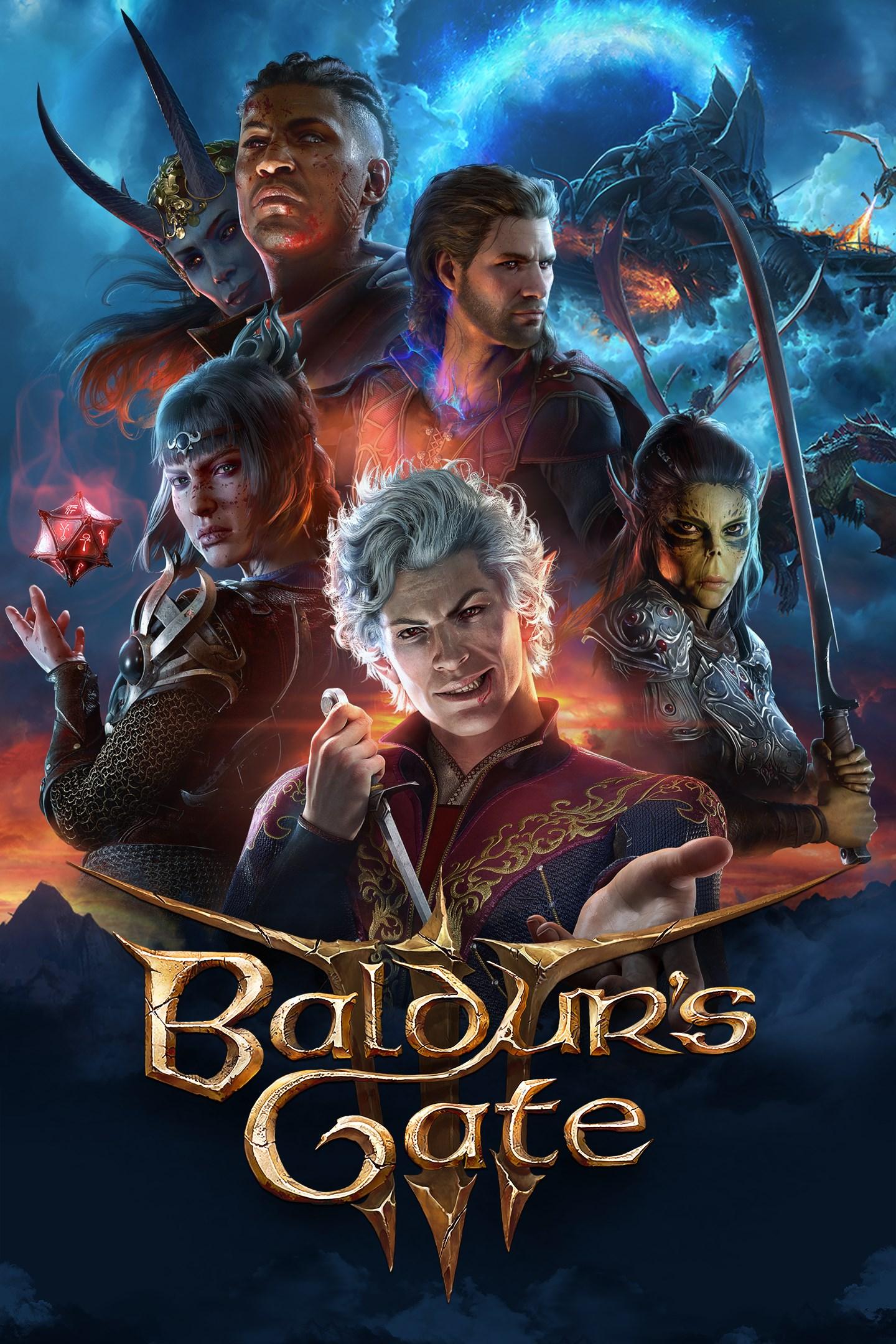
Introduction: Why Baldur’s Gate 3 is significant
Baldur’s Gate 3 has become a focal point in discussions about the future of narrative role‑playing games. Its relevance stems from a blend of classic tabletop inspiration, modern design, and a level of player freedom that has prompted broader conversations about storytelling, player agency and how licensed settings can be adapted for contemporary audiences.
Main developments and details
Design and gameplay
Developed by Larian Studios and rooted in Dungeons & Dragons rules, Baldur’s Gate 3 offers a turn‑based combat system that emphasises tactical choices, environmental interactions and character builds. Players can create custom characters or choose among richly written origin characters, each with unique backgrounds and storylines. Exploration and dialogue choices feed into a branching narrative structure, so decisions often carry lasting consequences for companions and the world.
Multiplayer and accessibility
The game supports both single‑player and cooperative multiplayer, allowing groups to experience the campaign together while retaining the possibility of divergent choices. Features such as a detailed character creator and varied difficulty options have widened its appeal to both veterans of CRPGs and newcomers exploring role‑playing games for the first time.
Critical reception and community
Baldur’s Gate 3 has attracted widespread critical praise for its writing, depth and systems design. Players praise the game’s capacity for emergent storytelling and replayability. On PC, a lively modding community has developed additional content and quality‑of‑life changes, while discussions across streaming platforms and forums continue to highlight memorable moments and unexpected outcomes driven by player choice.
Conclusion: What this means for players and the industry
Baldur’s Gate 3 has helped reaffirm demand for deep, choice‑driven RPGs and shown that adaptations of tabletop systems can thrive in a digital format. For players, it offers a rich sandbox of character and narrative possibilities; for the industry, it sets a benchmark for how complex systems and meaningful storytelling can coexist. Moving forward, Baldur’s Gate 3 is likely to remain a reference point for developers and a continuing source of discussion for fans of role‑playing games.