

Clair Obscur: Expedition 33 Stripped of Awards Following AI Controversy
Record-Breaking Success Meets Controversy
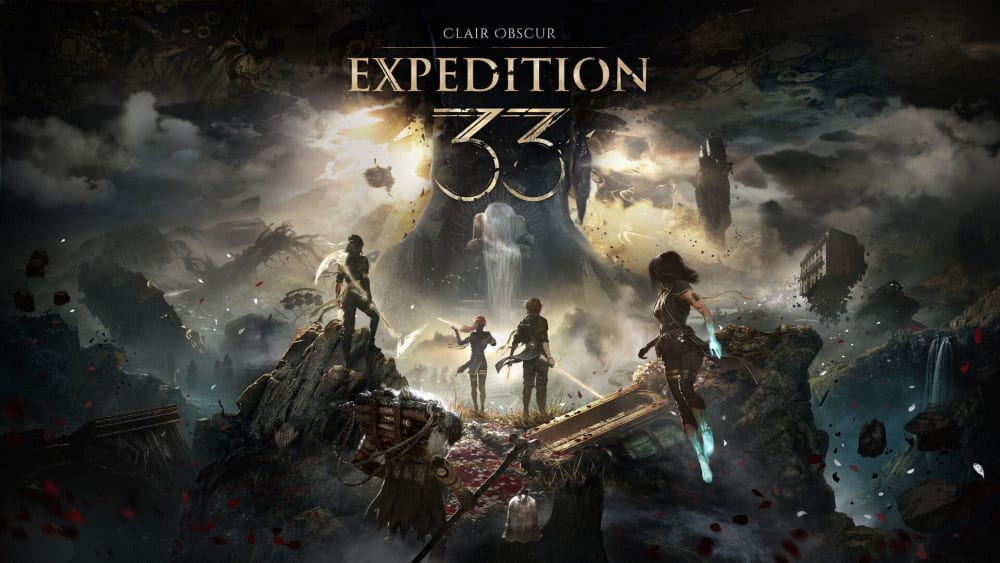
Clair Obscur: Expedition 33 swept The Game Awards with a record 9 awards, marking one of the most celebrated indie game launches in recent memory. The turn-based RPG from French developer Sandfall Interactive captured hearts worldwide with its stunning visuals and innovative gameplay. However, this remarkable achievement has been overshadowed by a significant controversy that emerged just days after its triumph.
Disqualification from Indie Game Awards
The Indie Game Awards took place on December 18, and Clair Obscur: Expedition 33 took home the awards for Game of the Year and Debut Game. However, The Indie Game Awards made a decision to strip Clair Obscur and developer Sandfall Interactive of their awards over the use of gen AI in the game. Six One Indie, the creators of the Indie Game Awards, announced that this use of generative AI has disqualified Clair Obscur: Expedition 33 from receiving the two awards it won during the show on December 18, which will now go to the runners-up.
The AI Disclosure Timeline
In a statement posted to the Indie Game Awards FAQ page, Six One Indie takes a hard stance against the use of AI generation in game development, claiming that during the nomination process, Sandfall agreed that no gen AI was used in Clair Obscur: Expedition 33. However, on the day of the Indie Game Awards showcase, December 18, Expedition 33 producer Francois Meurisse confirmed that the game had, in fact, used some generative AI during the development process.
The AI-generated assets in Clair Obscur: Expedition 33 were used as placeholders and were eventually patched out of the game. Despite this clarification, this use still violates the rules put forth by the Indie Game Awards regarding AI use in games, making Expedition 33 ineligible to win.
What This Means for the Gaming Industry
The award for Debut Game now goes to Sorry We’re Closed while Game of the Year now goes to Blue Prince. This controversy raises important questions about transparency in game development and the use of AI tools in creative industries. The incident demonstrates the gaming industry’s ongoing struggle to establish clear standards regarding artificial intelligence use, particularly as the technology becomes increasingly prevalent in development workflows. For players and developers alike, this case highlights the importance of honest disclosure and adherence to competition guidelines, even when AI use is minimal or temporary.