

How a Wordle Hint Can Improve Your Daily Strategy
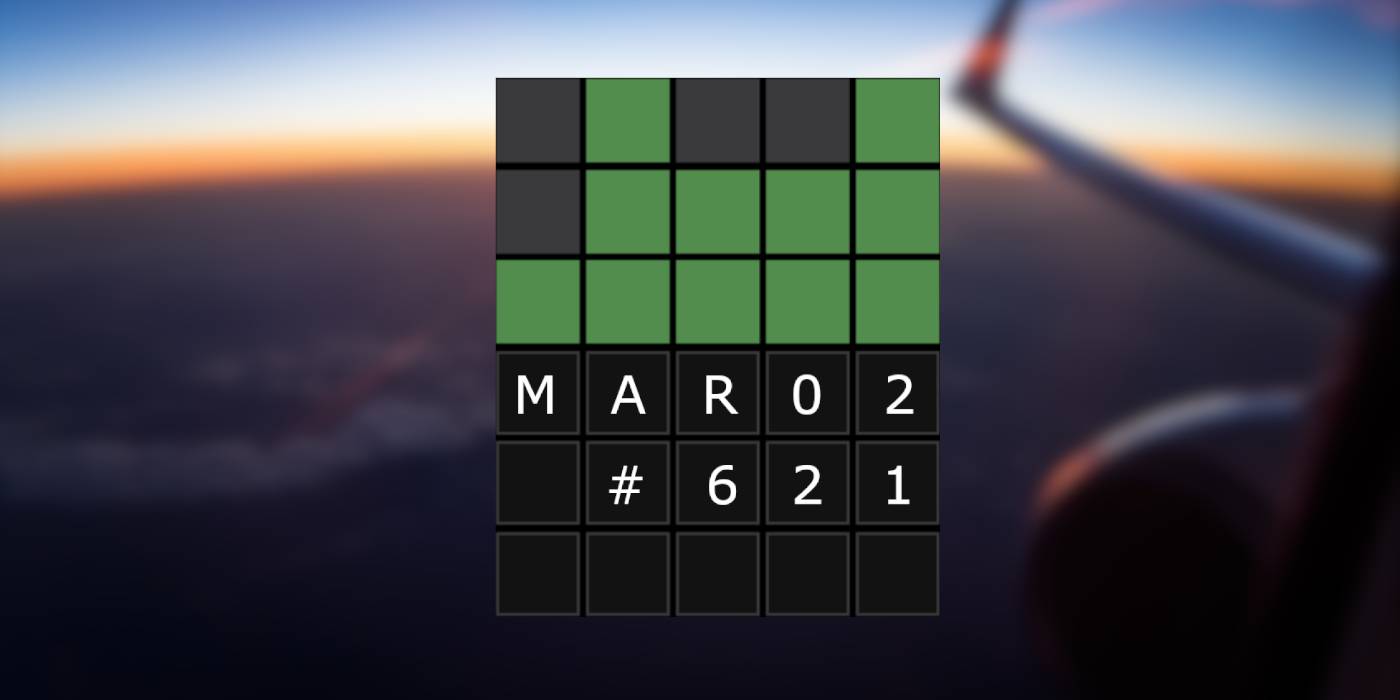
Why a Wordle hint matters
Wordle remains a daily puzzle that tests vocabulary, pattern recognition and deduction. A well-timed wordle hint can shorten the learning curve for new players, help occasional solvers break through a stubborn puzzle and introduce systematic thinking to seasoned players. Understanding how hints work and when to use them is relevant both for enjoyment and for developing better puzzle strategies.
How hints work in practice
At its core Wordle gives feedback on each five-letter guess: letters in the correct position, letters present but mispositioned, and letters absent. A wordle hint builds on that feedback. It may suggest a promising starter word, identify high-frequency letters to try next, recommend positional moves based on previous feedback, or offer a narrow list of candidate words consistent with the clues so far. Hints do not change the rules of the game; they simply accelerate the logical elimination process.
Types of hints and sources
Hints come in several forms. Simple hints point to individual letters or suggest common starter words that cover frequent vowels and consonants. More advanced hints are generated by solvers that use word-frequency lists and pattern-matching algorithms to produce ranked candidate words. Third-party tools and community forums also share heuristics—such as focusing on vowels early, prioritising uncommon consonants later, or testing plausible letter positions once you have two or three confirmed letters.
Responsible use and accessibility
Using a wordle hint is a personal choice. Some players view hints as spoilers that reduce satisfaction, while others use them to learn strategies or to keep daily play accessible if vocabulary is a barrier. For fairness, many communities advise sharing only non-spoiler tips publicly and marking explicit solutions clearly to avoid ruining the puzzle for others.
Conclusion
A wordle hint can be a helpful tool when used thoughtfully: it speeds learning, supports accessibility and encourages strategic play. For casual players, hints can make the daily puzzle more fun; for learners, they provide concrete examples of deduction. As interest in word games continues, hints will remain a small but useful part of how players engage with Wordle and similar puzzles.