

How to Use a Wordle Hint: Practical Tips and Strategies
Introduction: Why a Wordle hint matters
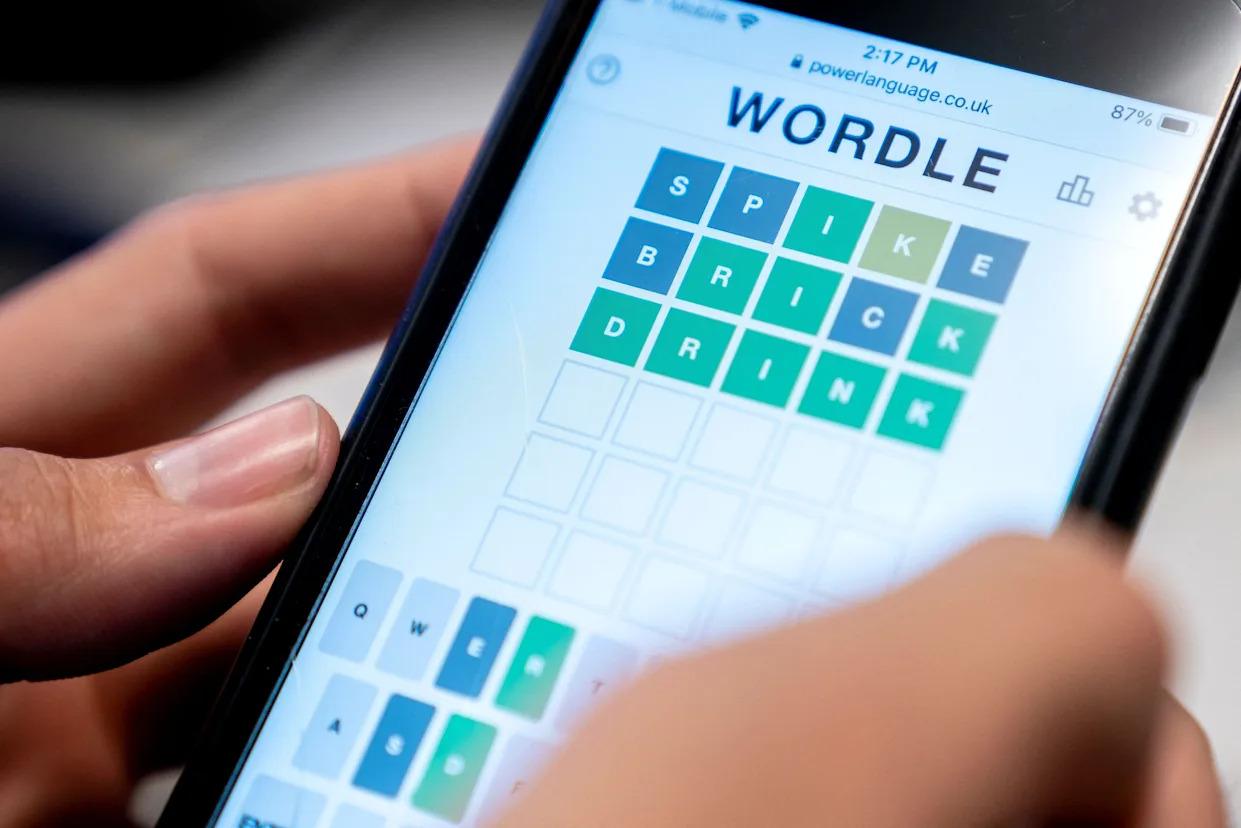
A Wordle hint can make the difference between a short, satisfying solve and a frustrating guessing session. For players who enjoy word puzzles, a well‑timed hint preserves momentum, helps build vocabulary and encourages problem‑solving skills. Understanding how to use a Wordle hint effectively is relevant to casual players and those aiming to improve their daily play without turning the game into pure guesswork.
Main body: Types of hints and how to apply them
Common types of Wordle hints
Hints come in different forms. Typical examples include revealing a single letter, indicating whether a letter appears in the solution, suggesting the position of a letter, or providing a thematic clue about the answer. Each type changes how you approach the next guess.
How to use a hint strategically
When you receive a Wordle hint, treat it as information to refine possibilities rather than a guaranteed solution. If the hint reveals a letter but not its position, use that letter in different places across subsequent guesses to test its location. If a hint confirms a position, focus on varying the remaining letters to build around that core. Use elimination: rules out letters and patterns that no longer fit the known information.
Balancing hint use and skill development
Relying on hints can speed up wins but may slow long‑term improvement. Reserve hints for moments when progress stalls or when a gentle nudge keeps the game enjoyable. Keep a short list of candidate words and update it after every guess and hint—this makes each hint more powerful because you apply it against a smaller pool of possibilities.
Social and ethical considerations
Hints can spoil the challenge for others if shared carelessly. If you discuss a solution online, consider tagging spoilers or using private channels when sharing hints so fellow players can choose whether to see them.
Conclusion: Practical takeaways
A Wordle hint is a tool: used wisely it reduces frustration, sharpens deduction and enhances enjoyment. Players should aim to integrate hints into a methodical approach—use them to eliminate options, test positions and refine guesses—while avoiding overreliance so that the puzzle still provides a learning opportunity and sense of achievement.