

Alan Titchmarsh: A leading voice in UK gardening
Introduction: Why Alan Titchmarsh matters
Alan Titchmarsh is a familiar name across British gardens and television screens. As an English gardener, broadcaster and writer, his work has helped bring practical horticulture and garden design to a wide public audience. In an era when urban green spaces, biodiversity and mental health through gardening are growing priorities, Titchmarsh’s continued presence in media and community projects keeps gardening relevant and accessible to many.
Main body: Career, contributions and current role
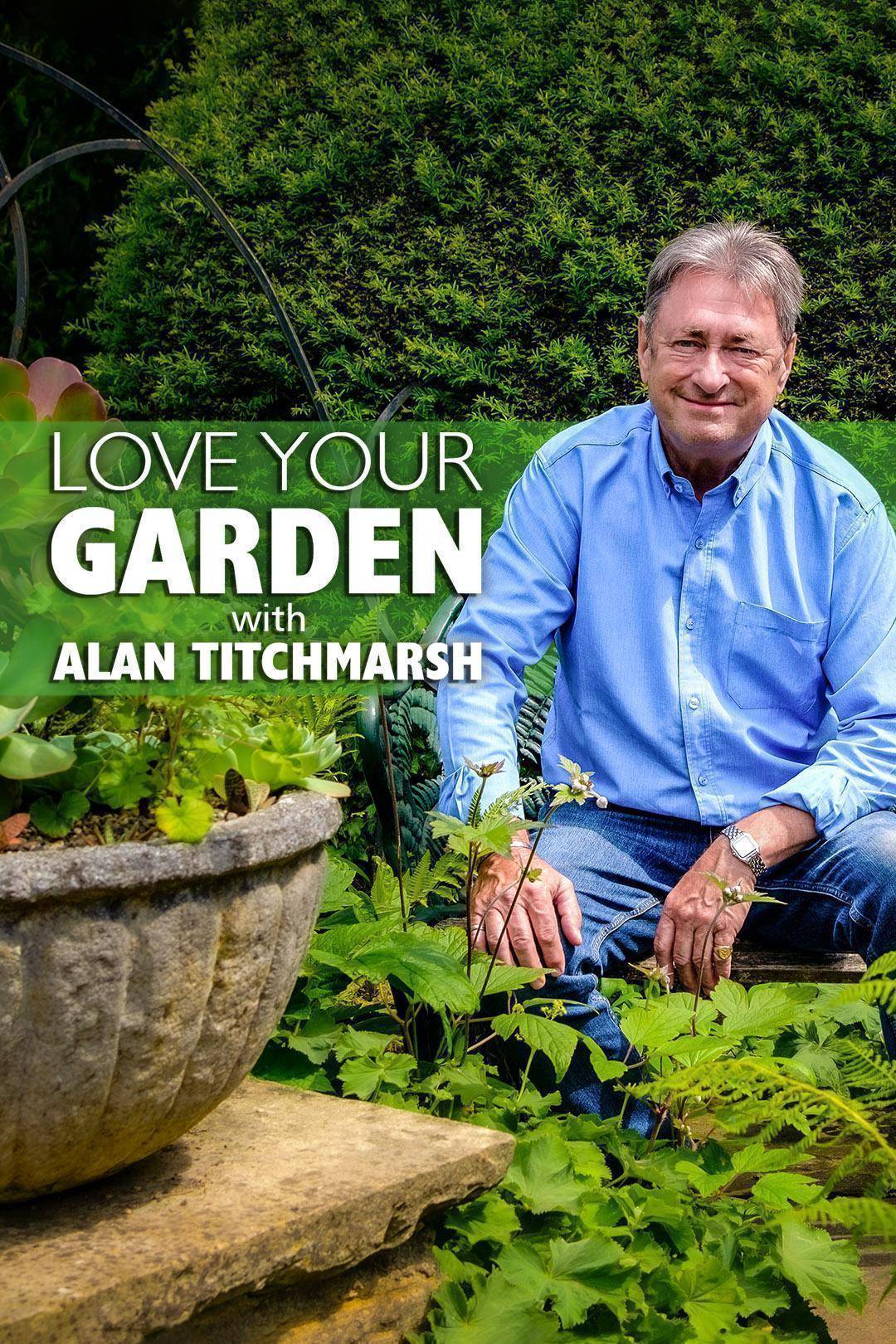
Born in 1949, Alan Titchmarsh trained as a professional gardener and later moved into broadcasting and writing. He became widely known for presenting the BBC’s Gardeners’ World programme, where his clear, practical advice appealed to both novice and experienced gardeners. Over a long career he has presented shows for major broadcasters, most recently fronting ITV’s Love Your Garden series, bringing refurbishment and planting projects to communities and families.
Alongside television, Titchmarsh has authored numerous gardening books and several novels, combining practical guidance with a readable, reassuring voice. His writing and presenting have helped normalise gardening as a hobby and a tool for community regeneration, encouraging people to take an active role in cultivating private and public green spaces.
Titchmarsh has also been associated with charity and community initiatives, often lending his profile to fundraising and public-awareness campaigns that promote gardening’s social and environmental benefits. His public work underscores wider trends in the UK: increasing interest in sustainable planting, pollinator-friendly gardens and the use of green spaces to support wellbeing.
Conclusion: Significance and outlook
Alan Titchmarsh remains a significant figure in British horticultural life. His blend of practical expertise, media presence and public engagement helps maintain gardening’s visibility at a time when environmental and social concerns make green spaces more important than ever. For readers, his work offers practical inspiration—whether tackling a small urban balcony or joining a community planting project—and signals that gardening will continue to be an accessible way to support personal wellbeing and local biodiversity in the years ahead.