

Torcross: History, environment and coastal challenges
Introduction: Why Torcross matters
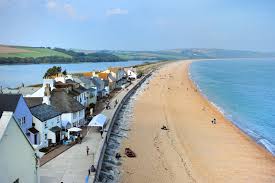
Torcross is a small coastal village in South Devon whose significance extends beyond its size. The settlement lies at the southern end of Slapton Ley and on the shoreline of Start Bay, making it both a draw for visitors and a frontline community for coastal change. The village’s wartime history and its proximity to a valuable freshwater and coastal environment give Torcross a national as well as a local profile.
Main developments and local facts
Geography and environment
Torcross sits between the shingle beach and Slapton Ley, a freshwater lake separated from the sea by a narrow beach and dunes. This setting supports important habitats and attracts people interested in wildlife and natural scenery. The close physical relationship between village, beach and lake also means that Torcross is susceptible to coastal processes such as erosion, overwash and flooding, which can affect homes, roads and local facilities.
Historical significance
The area around Torcross is known for its connection to the Second World War. Exercise Tiger, a large-scale rehearsal for the Normandy landings, took place off Slapton Sands and nearby waters, and a memorial to those who died in the exercise stands to remind visitors and residents of the human cost of that period.
Community impact and infrastructure
Torcross’s location means that the main coastal road linking the village to neighbouring settlements is vulnerable to storm damage and temporary closures when severe weather occurs. This has prompted concern among residents, businesses and visitors about access, emergency planning and long-term resilience. Local voices often call for sustainable coastal management that balances protection of homes, heritage and the natural environment.
Conclusion: Outlook and significance for readers
Torcross exemplifies the challenges faced by many small coastal communities: preserving historical memory, supporting tourism and protecting fragile environments while adapting to coastal change. For readers, the village underlines the practical consequences of erosion and extreme weather for daily life and infrastructure, and the importance of coordinated responses from local communities, planners and relevant agencies. Torcross will remain a place of interest for history and nature, and a case study in how coastal communities respond to present and future pressures.