

Straits of Hormuz: Geography, Shipping Routes and Recent Closures
Introduction: Why the Straits of Hormuz matter
The Straits of Hormuz are one of the world’s most consequential maritime chokepoints. Their geography and traffic patterns make them vital to global energy supplies: roughly one‑fifth of the world’s crude oil and a quarter of global liquefied natural gas transit the waterway. Recent closures and military activity have therefore drawn international attention, with potential implications for oil and gas deliveries and wider geopolitical stability.
Main body: Geography, shipping and recent events
Geography and navigation
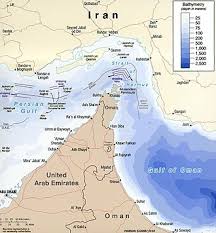
The Strait lies between the Iranian mainland and the Omani Musandam Peninsula. Estimates of its narrowest width differ by source: the Strauss Center describes the channel as approximately 30 miles wide at its narrowest point, while other analyses cite it as 21 miles wide. The area includes eight major islands, seven of which are controlled by Iran. Commercial traffic commonly follows a designated Traffic Separation Scheme (TSS) north of the Musandam Peninsula, although the water is deep enough in places for large ships to use an Inshore Traffic Zone south of the Omani island of Didimar.
Bathymetry and tanker constraints
Bathymetric maps of the Strait identify areas labelled “unsafe” for tankers where depths are under 25 metres. That is significant because a fully laden supertanker can have a draft in the region of 20–25 metres, constraining where such vessels can safely navigate and increasing the strategic sensitivity of particular channels through the Strait.
Security incidents and commercial impact
Escalating tensions between the United States and Iran have periodically made the Strait a flashpoint. In February 2026 Iran temporarily closed the Strait to conduct live‑fire drills while Foreign Affairs Minister Abbas Araghchi travelled to Geneva for nuclear talks with the United States. That closure prompted industry disruption: oil shipments were paused and international monitoring intensified. Although industry analysts suggest a full, prolonged closure is unlikely, experts warn that any spillover from bilateral tensions could have wider effects on global energy flows.
Conclusion: What this means for readers
The Straits of Hormuz combine constrained geography with heavy energy traffic, making them uniquely sensitive to political and military developments. Short closures or drills can lead to immediate disruption of shipments and market uncertainty. While a sustained full closure remains assessed as unlikely, readers—particularly in energy, shipping and policy sectors—should monitor diplomatic and military developments closely, since even temporary events can ripple through global oil and LNG markets.