

South Korea: Geography, Population and Regional Overview
Introduction: Why south korea matters
South Korea occupies a prominent place in East Asia because of its strategic location, dense population and strong economy. The Republic of Korea (ROK) forms approximately 45 percent of the Korean Peninsula and sits at the nexus of the East Sea, East China Sea and the Yellow Sea. The country’s geography, long human history and its modern economic role make it relevant to readers interested in regional politics, trade, culture and urban development.
Main body: Geography, people and regions
Physical geography and climate
South Korea is bordered to the north by the Democratic People’s Republic of Korea (North Korea). To the east lies the East Sea (Sea of Japan), to the south the East China Sea and to the west the Yellow Sea; the Korea Strait separates the peninsula from Japan’s island of Tsushima. The Taebaek Mountains run roughly north–south along the eastern coastline and extend into North Korea, forming the country’s drainage divide. South Korea’s three principal rivers—the Han, Geum and Nakdong—all rise in the Taebaek range and flow through lowland plains to the sea. The national climate is marked by cold, relatively dry winters and hot, humid summers.
Population and urban pressure
Though small in land area, south korea is densely populated. The country averages about 1,294 people per square mile (499 per square kilometre), creating substantial demand for space in cities and towns. Crowded outdoor markets and busy urban centres illustrate daily life in a compact country where many seek housing, transport and jobs in a limited area. The division of the peninsula after World War II remains central to national identity for many citizens; the Demilitarized Zone (DMZ) still marks a tense boundary that some imagine could never be permanently removed.
Administrative regions and economy
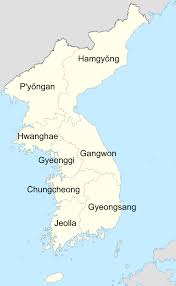
South Korea’s administrative geography includes metropolitan areas such as the Seoul Metropolitan Area and multiple provinces and regions across the peninsula. The country has one of the strongest economies in Eastern Asia, underpinning its regional influence and continuing urbanisation.
Conclusion: Significance and outlook
For readers, south korea’s combination of strategic geography, long human history and modern economic strength makes it a focal point for regional affairs. Continued pressure for space in dense cities, the lasting division with the North and the country’s economic resilience are likely to shape policy, investment and daily life in the coming years.