

Understanding Mauritania: Culture, Geography, and Significance
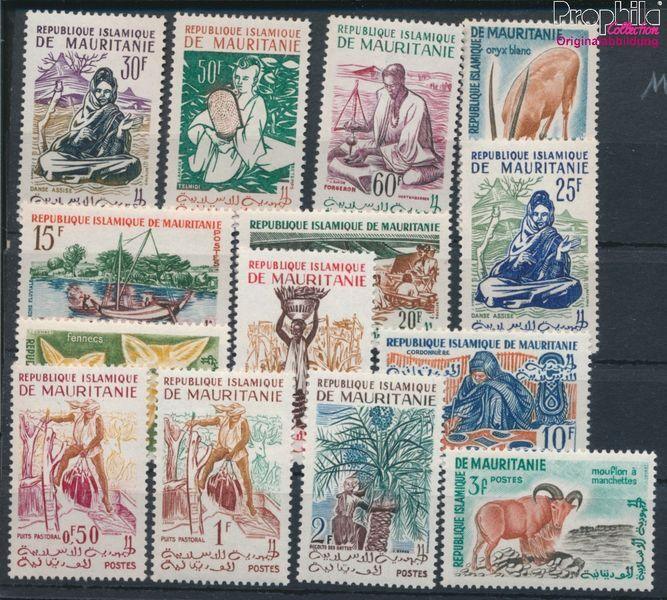
Introduction to Mauritania
Mauritania, located in Northwest Africa, is often overshadowed by its more prominent neighbours. However, this country is a unique blend of cultures, rich history, and stunning landscapes. Understanding Mauritania is crucial not just for geographical knowledge but also for its significance in regional politics and economics. As the nation continues to evolve, gaining insights into its diverse population and its strategic position becomes increasingly important.
Geography and Environment
Mauritania spans over a vast area of 1,030,700 square kilometres, characterised predominantly by the Sahara Desert, which covers about 90% of its land. It has a coastline along the Atlantic Ocean to the west, which plays a crucial role in its economy, particularly in fisheries and trade. The geography of Mauritania, with its arid climate interspersed with oases, has shaped the lifestyle and livelihoods of its people.
Culture and Society
The population of Mauritania is approximately 4.5 million, composed of various ethnic groups including the Moors, who are Arab-Berber descendants, and the West African ethnic groups such as the Fulani and Soninke. Arabic is the official language, reflecting the country’s Islamic heritage, but French is also widely spoken due to colonial history. Mauritania’s culture is a tapestry of tradition, with music, dance, and food forming an integral part of social life. Festivals like the “Mauritania International Festival of Arts” also highlight the nation’s rich artistic heritage.
Political Landscape
Since gaining independence from France in 1960, Mauritania has seen a mix of military and civilian rule, with the political landscape characterised by challenges such as regional security threats from extremism and governance issues. The recent transition towards a more democratic governance model is promising, yet it is still intertwined with corruption and human rights concerns. It remains essential for neighbouring countries and global observers to focus on supporting Mauritania’s journey towards stability.
Evolving Economic Opportunities
Mauritania’s economy relies heavily on mining, agriculture, and fishing. Rich in iron ore, the nation is one of the world’s leading producers, with mining accounting for a significant portion of its exports. The government is also working to enhance the tourism sector, highlighting the ancient city of Chinguetti, a UNESCO World Heritage site, which attracts historians and adventure seekers alike. Furthermore, recent explorations in oil and gas hold potential for economic growth, making it an attractive investment destination.
Conclusion
Mauritania is a nation of contrasts, balancing rich cultural traditions with modern challenges. As the country navigates its political and economic landscape, it holds promise for both its citizens and international investors. By embracing its heritage while looking towards sustainable development, Mauritania could emerge as a significant player in West Africa. Readers and global stakeholders should foster a deeper understanding of this hidden gem, as it will undoubtedly play a larger role in the future dynamics of the region.