

Where is Lebanon: Location, Geography and Key Facts
Introduction: Why asking “where is Lebanon” matters
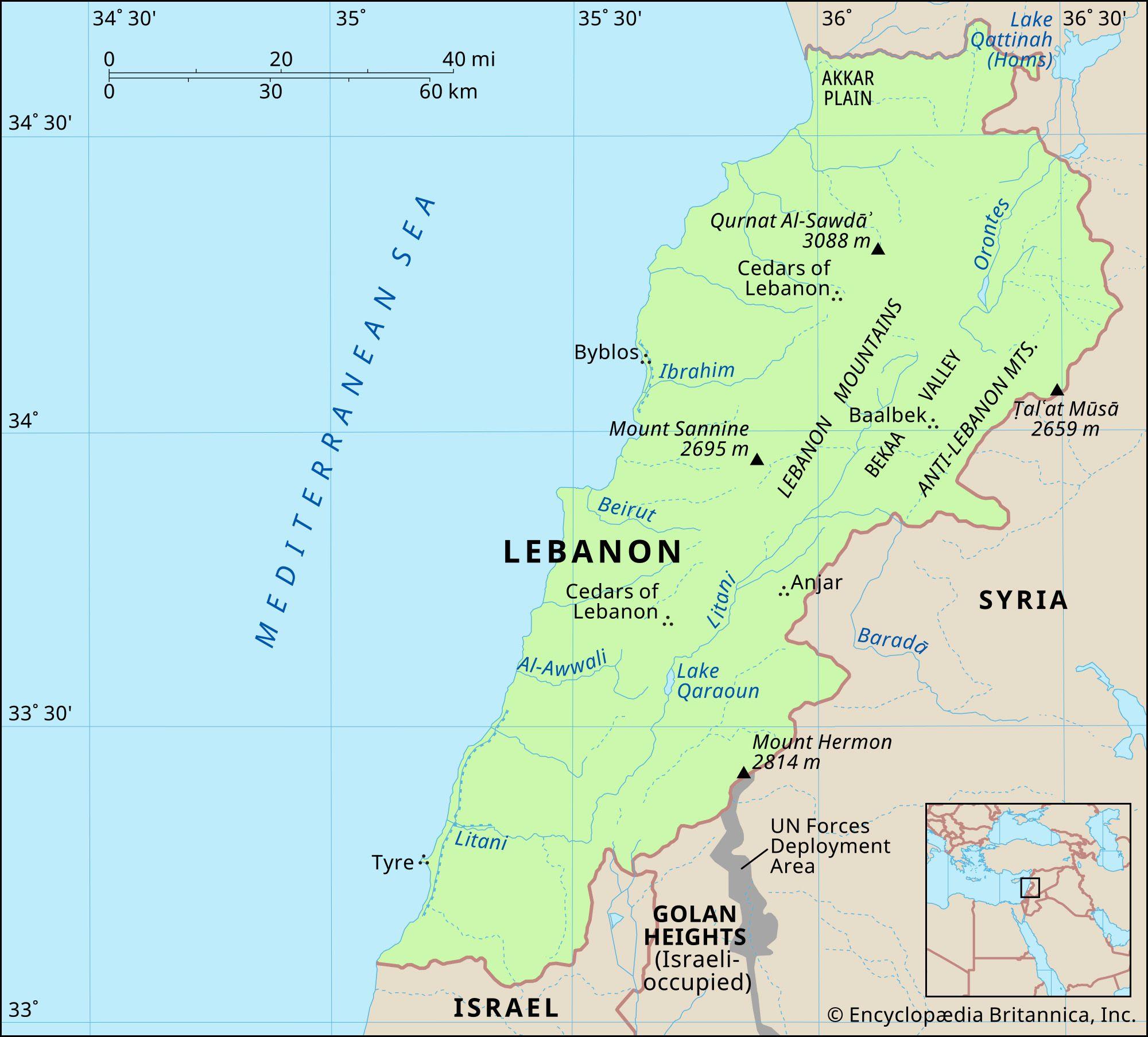
Asking “where is Lebanon” is more than a question of geography: it points to a nation with outsized historical, cultural and geopolitical influence. Located on the eastern shore of the Mediterranean Sea, Lebanon sits at a crossroads between Europe, Africa and Asia. Understanding its location helps explain its role in regional trade, politics, migration and cultural exchange.
Main body
Geographic location and landscape
Lebanon is in Western Asia, on the eastern Mediterranean coast. It is bounded by Syria to the north and east and by Israel to the south, with the Mediterranean Sea forming its western boundary. The country covers roughly 10,452 square kilometres and features a narrow coastal plain, the Mount Lebanon range running parallel to the coast, and the Bekaa Valley to the east. The highest point is Qurnat as Sawda’, about 3,088 metres above sea level. Coastal cities like Beirut and Tripoli contrast with inland agricultural areas and mountainous terrain.
Political and demographic overview
Beirut is the capital and largest city, a long-established regional port and cultural centre. Lebanon is a parliamentary republic with a unique confessional political system allocating power among religious communities. Arabic is the official language, while French and English are widely used in business and education. The resident population is diverse; estimates vary but there are several million Lebanese citizens and significant numbers of Syrian and Palestinian refugees, which affect demographic totals and public services.
Economy, culture and significance
Lebanon’s economy has traditionally relied on services, banking, tourism and agriculture from the Bekaa Valley. The country is renowned for its cuisine, music, literature and ancient sites — including UNESCO-listed ruins at Byblos, Baalbek and Tyre — reflecting a long history of civilisation. Its strategic location on the Mediterranean has made Lebanon a hub for trade and a focal point in regional geopolitics.
Conclusion: Practical takeaways
In short, Lebanon lies on the eastern Mediterranean, bordered by Syria and Israel, with Beirut as its capital. Its compact size belies a complex mix of geography, culture and politics. For readers, knowing where Lebanon is helps contextualise current events, migration patterns and the country’s cultural contributions to the region.