

Understanding Luxembourg: A Central European Powerhouse
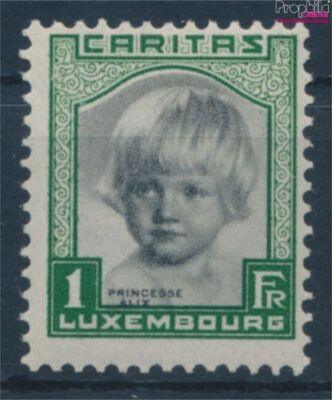
Introduction to Luxembourg
Luxembourg, a small landlocked country bordered by Belgium, France, and Germany, holds significant importance in the heart of Europe. Despite its modest size, Luxembourg is renowned for its wealthy economy, robust banking sector, and rich cultural heritage. As one of the founding members of the European Union, its role in European politics and economics cannot be overstated, making it a focal point for discussions on unity in the region.
The Economy of Luxembourg
The Grand Duchy boasts one of the highest GDP per capita in the world, reflecting its prosperous economy largely driven by finance, technology, and logistics. The financial services sector constitutes a substantial part of the economy, attracting a host of international clients and corporations. Recent statistics from the National Statistics and Economic Studies of Luxembourg show that the country’s financial sector contributed over 25% to its GDP in 2023.
Cultural Diversity
Luxembourg is a melting pot of cultures, influenced by its geographical position and history. The Luxembourgish language alongside French and German serves as a testament to its diverse heritage. The nation hosts various cultural events throughout the year, including the Luxembourg City Film Festival and the Schueberfouer fair, attracting thousands of tourists and promoting local traditions. The vibrant arts scene features numerous museums and galleries, with the Museum of Modern Art and the Grand Ducal Palace being popular attractions for visitors.
Tourism in Luxembourg
Tourism in Luxembourg is flourishing, with an emphasis on both historic and natural sites. The picturesque landscapes, including the Ardennes region, offer an array of outdoor activities such as hiking and cycling. Additionally, fortified sites like the Old Town of Luxembourg City, a UNESCO World Heritage site, are key attractions. Recent studies indicate that the number of international visitors increased by 10% from the previous year, demonstrating the country’s growing appeal as a tourist destination.
Conclusion
Luxembourg may be small, but its impact on European and global affairs, economy, and culture is undeniably significant. As it continues to adapt to modern challenges such as digital transformation and sustainable development, Luxembourg is set to remain a pivotal player in Europe. For readers seeking to understand the intricacies of European dynamics, exploring Luxembourg’s history and contributions offers valuable insights into the future of the continent.