

Where Is Iran? Geographic Position and Strategic Importance
Introduction: Why the question “where is Iran” matters
As regional tensions, energy markets and migration issues continue to draw global attention, the simple question “where is Iran” remains important for readers seeking geographic and strategic context. Understanding Iran’s location in Western Asia helps explain its role in regional politics, trade routes and energy supply.
Main body
Geography and borders
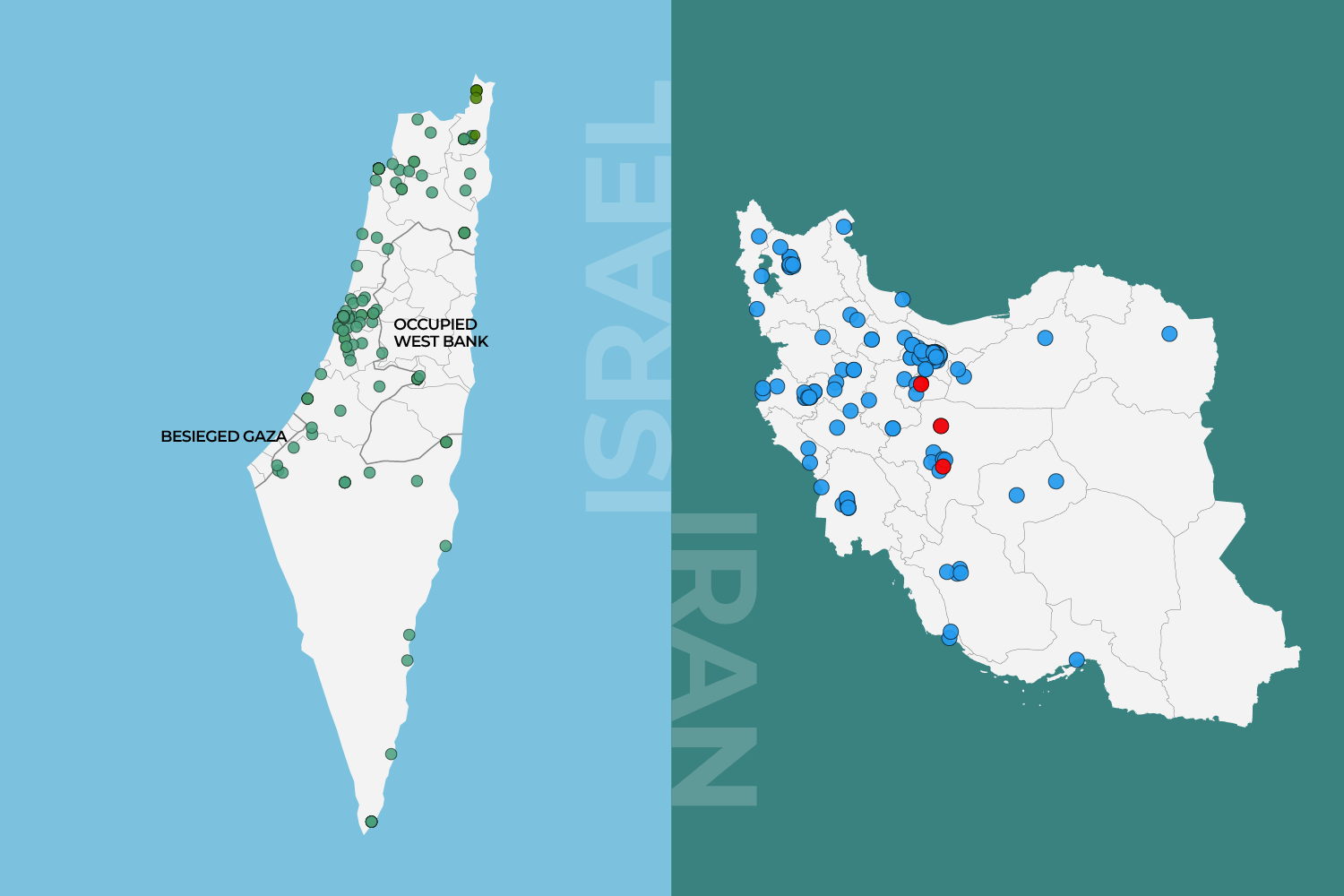
Iran is located in Western Asia on the northeastern shore of the Persian Gulf and the southern shore of the Caspian Sea. It spans an area of about 1.65 million square kilometres, making it one of the largest countries in the region. Iran shares land borders with Iraq and Turkey to the west, Armenia, Azerbaijan and Turkmenistan to the northwest and northeast, and Afghanistan and Pakistan to the east. To the south, Iran has extensive coastline along the Persian Gulf and the Gulf of Oman.
Strategic maritime position
Iran’s southern coastline faces the Strait of Hormuz, a narrow but crucial waterway through which a significant portion of the world’s seaborne oil and liquefied natural gas passes. Control and access to this strait are often cited when analysts discuss Iran’s strategic leverage over global energy flows and maritime security.
Population, capital and internal layout
Tehran is Iran’s capital and largest city, serving as the political, economic and cultural centre. The country’s population is concentrated in a number of urban centres along mountain foothills and river valleys, while vast interior regions are more sparsely populated. Iran’s varied topography includes mountain ranges such as the Zagros and Alborz, high plateaus and coastal plains.
Conclusion: Implications for readers
Knowing where Iran is located provides essential context for interpreting news about diplomacy, security and energy. Its position at the crossroads of the Middle East and Central Asia, combined with significant coastal access, underpins Iran’s regional influence and explains why developments there often have broader international consequences. For readers, geographic familiarity is a first step toward understanding the strategic and human dimensions of events involving Iran.