

Saudi Arabia and the Winter Olympics: Prospects and Challenges
Introduction: Why Saudi Arabia and the Winter Olympics matter
The idea of Saudi Arabia engaging with the Winter Olympics draws attention because it touches on sport diversification, national image and international engagement. Interest in winter sports from nations with limited natural winter conditions raises questions about how countries invest in athletics, develop talent and use sport as a platform for soft power. For readers, the topic is relevant as it highlights how climatic and cultural boundaries in sport can be navigated in a globalised era.
Main developments, challenges and possible routes
Infrastructure and environment
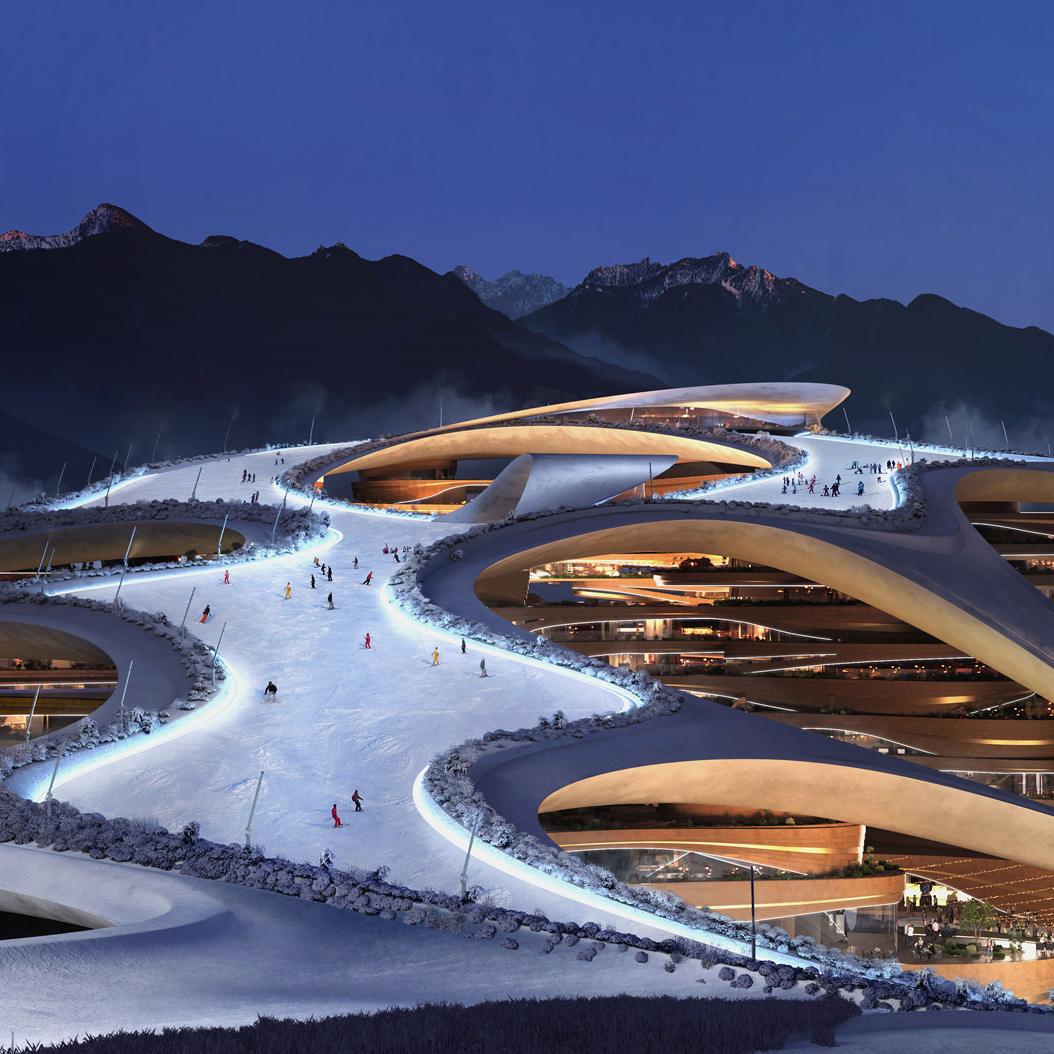
Saudi Arabia’s predominantly arid climate means there is limited natural snow and few traditional winter-sport environments. That presents a practical barrier to developing a broad domestic winter-sport programme. Overcoming that requires investment in artificial facilities, indoor venues, year-round training centres or partnerships that allow athletes to train overseas.
Athlete development and talent pathways
Establishing competitive athletes for the Winter Olympics typically involves long-term programmes: talent identification, coaching, competition exposure and support structures such as sports science and funding. Nations starting from a low base often rely on sending promising competitors to train abroad, recruiting dual-nationality athletes, or accelerating development through intensive coaching exchanges.
Policy, funding and international cooperation
Governments and sporting federations play a central role. Policy decisions about prioritising winter-sports funding, creating scholarships and forming partnerships with established winter-sport nations would be decisive. International federations and Olympic bodies can also provide technical assistance and quotas that make initial participation more feasible.
Conclusion: Significance and what to watch next
Saudi Arabia’s engagement with the Winter Olympics would be symbolically significant, signalling diversification of national sporting ambitions and increased international sporting diplomacy. Practically, progress will depend on sustained investment, strategic partnerships and clear athlete development pathways. For readers, the most relevant indicators to watch are announcements on facility projects, athlete training programmes and formal moves by national sporting bodies. Over the medium term, even limited participation could broaden the kingdom’s sporting profile and inspire domestic interest in new disciplines.