

What is the Board of Peace and who has been invited?
Introduction
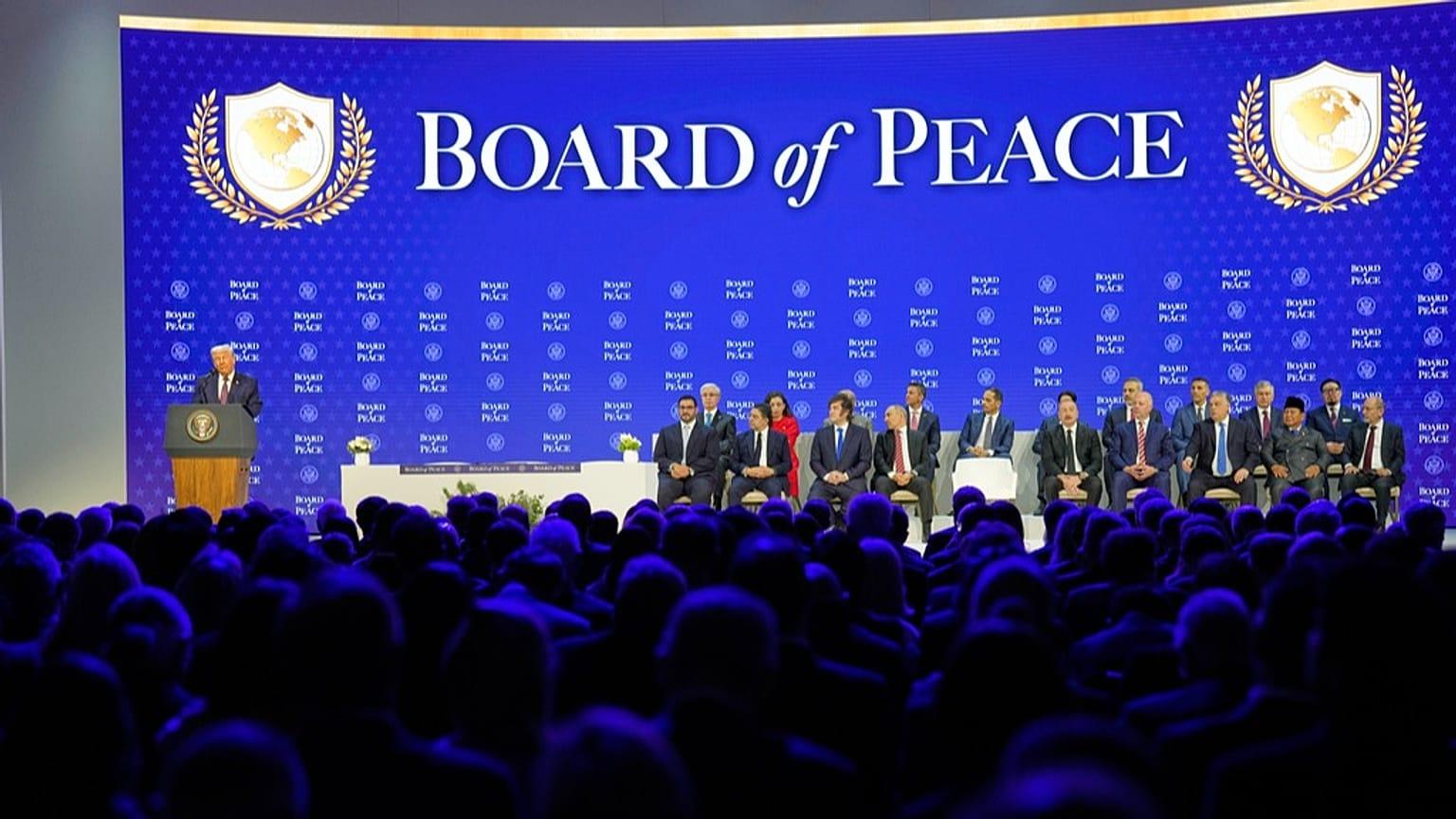
The board of peace has emerged as a focal point in international discussions about the next phase of the Gaza Peace Agreement. Its stated purpose, according to the charter published in local media, is to promote stability, restore dependable and lawful governance, and secure among other objectives. The development is significant because it represents a new, US-led multilateral mechanism intended to oversee implementation of a contentious peace plan and to involve a wide range of countries.
Main developments
Origins and mandate
The board of peace was first proposed by United States President Donald Trump as an entity that would oversee the next phase of his peace plan for the Gaza Strip. Reporting indicates the board is envisioned as an international organisation to support implementation of the Gaza Peace Agreement and to coordinate stability and governance efforts in the territory. The charter text made public emphasises promotion of stability and the restoration of lawful governance as central aims.
Invitations and membership
Reports on 11 January 2026 said President Trump was expected to announce whom he would appoint to the board within the week. With the commencement of the second phase of the Gaza Peace Agreement on 14 January 2026, it was reported that the United States had sent invitations to several countries to join the board. Media coverage and public statements cited invitations extended to leaders including Argentina’s Javier Milei, Turkey’s Recep Tayyip Erdogan, Russia’s Vladimir Putin, Armenian Prime Minister Nikol Pashinyan, Australian Prime Minister Anthony Albanese and the Polish president, among others. These reports characterised the process as ongoing and based on invitations rather than confirmed memberships.
Planned first meeting
According to the reporting, the board of peace was expected to hold its first meeting on the sidelines of the World Economic Forum summit the week following the move to the second phase. The timing underlines the intent to align initial discussions with an existing international gathering where multiple leaders and envoys are present.
Conclusion
The board of peace represents a novel, US-driven attempt to create an international oversight mechanism for Gaza’s next phase. As invitations are reported and a first meeting is planned alongside the World Economic Forum, key questions remain about formal membership, the board’s authority, and how it will coordinate with on-the-ground actors. For readers, the immediate significance lies in watching which countries accept invitations and how the board’s charter is implemented in practice during the coming weeks and months.