

Microplastics and Human Health: What New Research Reveals About Hidden Risks
The Growing Concern Over Microplastic Exposure
The increasing prevalence of microplastics (MPs) in the environment has raised urgent concerns regarding their implications for human health. Microplastics, i.e., plastic particles ranging from 1 µm to 5 mm in size, are ubiquitous in the environment. To date, microplastics have been found in 1,300 species, including throughout the human body. Scientists have made significant discoveries in 2025, with many scientists considering 2025 the year of microplastics.
Microplastics Found Throughout Human Body
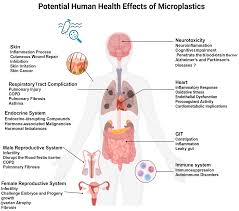
Recent research has identified microplastics in numerous organs and tissues, raising alarm bells among health experts. The particles have been found in multiple organs and tissues, including the brain, testicles, heart, stomach, lymph nodes and placenta. They’ve also been detected in urine, breastmilk, semen and meconium, which is a newborn’s first stool. Microplastics infiltrate human tissues via ingestion, inhalation, and dermal exposure, with exposure posing heightened risks to children’s health and development.
Health Risks and Disease Connections
Emerging evidence suggests serious health implications from microplastic exposure. MPs may induce inflammatory responses, oxidative stress, and cellular damage, thereby contributing to various diseases. Studies in 2025 linked the tiny particles to several diseases, including Alzheimer’s and heart disease. Microplastics may directly accelerate artery-clogging disease, with research showing environmentally realistic doses dramatically worsened plaque buildup and activated harmful genes linked to inflammation.
For an average American adult, that amounts to almost 60,000 microplastic particles every single day. These particles enter our bodies primarily through food, water, and air. Chemicals such as BPA, phthalates, and PFAS can leach out and be absorbed into the body.
Implications and Future Research
Despite mounting evidence, current evidence does not permit any definitive conclusion about the effects of microplastics on health. However, microplastics have been found in organs and tissues (e.g., placenta, atherosclerotic plaques). It is projected that by 2050, global plastic waste could reach approximately 2.4 billion tons.
The scientific community emphasises the urgent need for more comprehensive research to understand the full extent of microplastic impacts. While avoiding microplastics is impossible, individuals can take steps to reduce their exposure, though addressing the problem on a broader scale will require action from industry leaders and policymakers.