

Understanding Water Cremation (Alkaline Hydrolysis): Process and Controversy
Introduction: Why water cremation matters
Water cremation, also known as alkaline hydrolysis, aquamation or resomation, has emerged as an alternative method for the final disposal of human and animal remains. Its importance lies in offering a different approach to traditional burial or flame cremation, with implications for families, funeral providers and regulators. Public interest and policy discussions have increased as communities consider ethical, religious and legal perspectives on the practice.
Main body: Process, terminology and recent responses
What the process involves
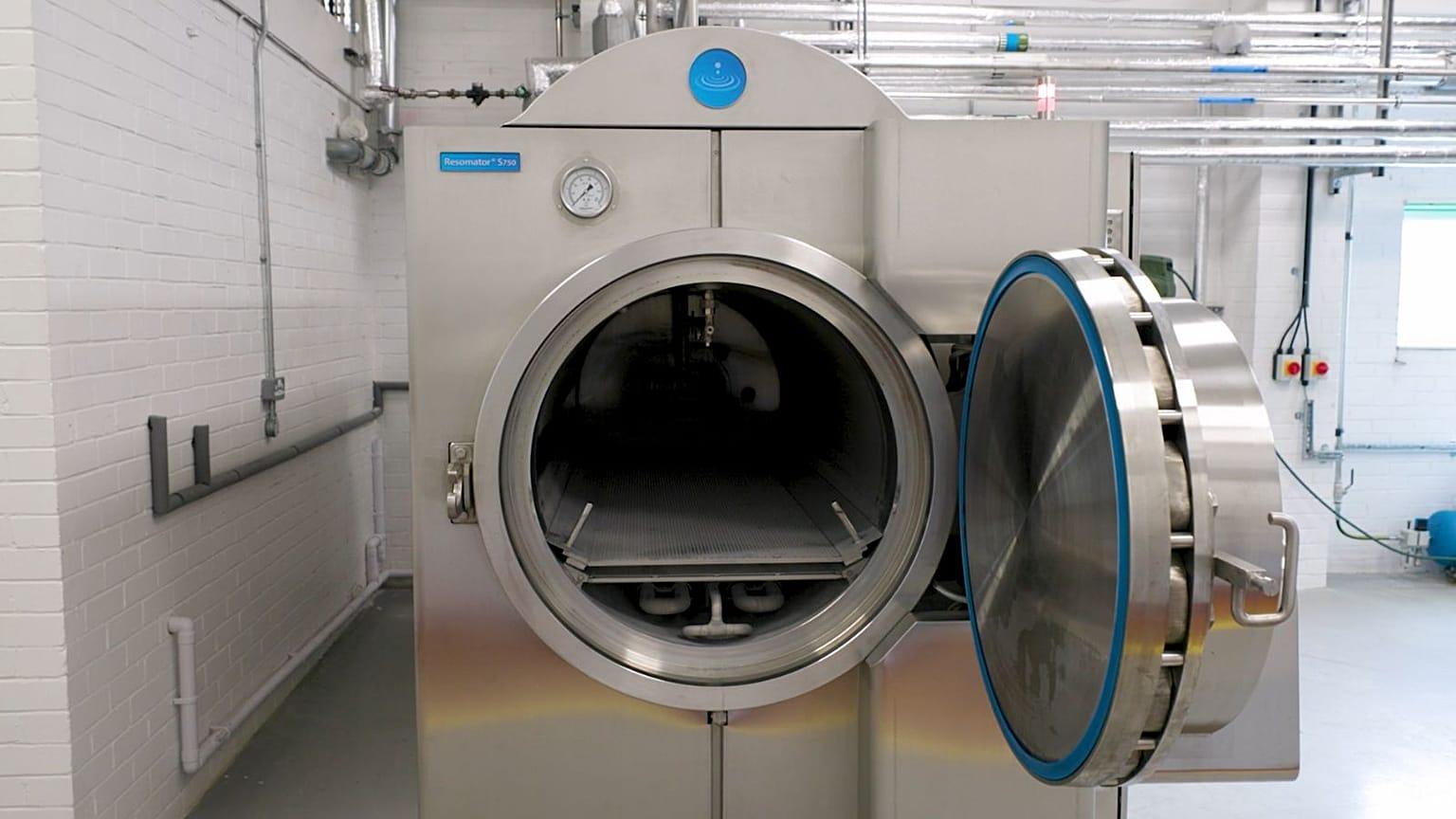
Alkaline hydrolysis is a chemical process by which human or animal remains are transformed using a solution of lye and heat. In this process, bodies are dissolved into a liquid through controlled chemical reactions. The method is described in various sources as an alternative to burial, conventional cremation, or practices such as sky burial.
Synonyms and usage
The practice is referred to by several names in public discussion: water cremation, alkaline hydrolysis, aquamation and resomation. These terms are often used interchangeably to describe the same basic technique of dissolving remains into a liquid using alkaline chemicals and elevated temperature.
Religious and legal reactions
Although presented as an alternative disposal option, alkaline hydrolysis has faced opposition from religious authorities in the United States. The Catholic Church in the United States does not approve alkaline hydrolysis as a method of final disposal of human remains. When the technique was proposed in New York State in 2012, the New York State Catholic Conference condemned the practice, stating it did not show sufficient respect for the teaching of the intrinsic dignity of the human body.
Legislative responses have also occurred. In 2008 the New Hampshire General Court enacted measures prohibiting the disposal of human remains through a reductive process utilising alkaline hydrolysis and established a committee to examine the practice of resomation. These actions reflect the combined moral, cultural and regulatory questions surrounding the technique.
Conclusion: Significance and outlook for readers
Water cremation presents an alternative route for handling remains that raises practical, ethical and legal considerations. For readers, the key takeaways are that alkaline hydrolysis is a distinct chemical process using lye and heat to dissolve remains, that it is known by several names, and that it has prompted both religious objections and legislative scrutiny. Future acceptance or restriction of the method will likely depend on ongoing public debate, religious perspectives and local regulatory decisions.