

Understanding the Government National Cancer Plan and Its Eight Goals
Introduction: Why the Government National Cancer Plan Matters
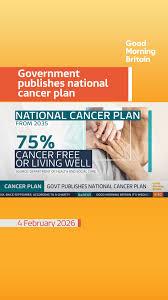
The government national cancer plan outlines a coordinated approach to reduce cancer suffering and death across the United States. Its relevance lies in aligning federal, state and local efforts, private investment, researchers and communities so that advances in prevention, detection and treatment benefit everyone. By setting clear goals, the plan seeks to improve outcomes, close disparities and support people living with cancer and their caregivers.
Main body: Structure, goals and collaborative framework
Comprehensive goals
The plan sets forth eight goals that describe the progress needed to transform the meaning of a cancer diagnosis. These include four cross-cutting goals—Engage Every Person, Eliminate Cancer Health Disparities, Maximize Data Utility, and Optimize the Workforce—and four cancer-centric goals—Deliver Optimal Care, Detect Cancers Early, Develop Effective Treatments, and Prevent Cancer. Together, these priorities are intended to ensure cancers are detected and treated at earlier stages, reduce morbidity and mortality, and improve survivorship.
Everyone has a role
The plan emphasises that meaningful collaboration is essential. The National Cancer Plan provides a framework for stakeholders across society to change how cancer is understood and managed. It recognises the combined contribution of government investment at all levels, private funding, researchers, people affected by cancer, caregivers and advocates in generating progress.
Focus on equity, data and workforce
Key elements include eliminating disparities in risk factors, incidence, treatment side effects and mortality by improving access to prevention, screening, treatment and survivorship care. The plan also prioritises maximising the utility of data to inform policy and practice, and optimising the cancer care and research workforce so it reflects the communities served and can meet diverse needs.
Oversight and accountability
The President’s Cancer Panel is tasked with monitoring progress toward the plan’s goals and has issued its first report to the President on implementation. Continued oversight aims to track outcomes and guide adjustments to reach the plan’s objectives.
Conclusion: Significance and outlook for readers
For readers, the government national cancer plan signals a coordinated national commitment to reduce cancer suffering and death through prevention, early detection, improved treatments and equitable care. Its emphasis on collaboration, data and workforce development provides a roadmap for sustained progress. Continued reporting and monitoring will be essential to translate the plan into measurable benefits for people at risk of or living with cancer.