

Weight Loss Jabs: Understanding the UK’s Latest Obesity Treatment Revolution
The Rise of Weight Loss Injections in the UK
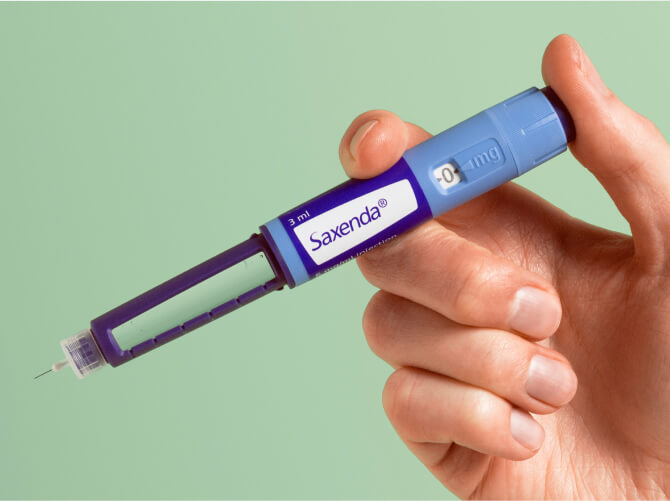
Weight loss jabs have emerged as one of the most significant medical breakthroughs in obesity treatment, capturing public attention across the United Kingdom in 2025. Based on data from randomised controlled trials, the most effective weight-loss injection available in the UK in 2025 is tirzepatide (Mounjaro), which supports an average weight loss of 20-25% of starting body weight after 72 weeks. These medications, which include Mounjaro, Wegovy, and Saxenda, work by mimicking natural hormones that regulate appetite and satiety, offering hope to millions struggling with obesity.
The significance of these treatments extends beyond cosmetic concerns. Health professionals emphasise that obesity is a serious, chronic condition linked to heart disease, stroke, joint problems and reduced life expectancy. For patients with significant weight-related health complications, these injections represent a potentially life-changing intervention when combined with lifestyle modifications.
NHS Rollout and Access Challenges
From 23rd June 2025 the phased roll-out of Mounjaro (weight loss injections) begins. Over the next 3 years 220,000 patients in England will be eligible however initially only a very small group of patients will meet the criteria. At first, people living with obesity who have been diagnosed with 4 of the weight-related health problems listed above and a BMI of 40 or more (adjusted for ethnicity) will be eligible to access tirzepatide (Mounjaro®) through primary care settings.
Access remains challenging for most patients. Despite NICE approval for Mounjaro, Wegovy, and Saxenda, NHS implementation remains extremely limited across the UK in 2025. Waiting times for tier 3 services range from 6-24 months, depending on location, with significant regional variations. This limited availability has led to a thriving private market, though concerns exist about inconsistent assessments and appropriate prescribing.
Growing Concerns About Misuse
Weight-loss injections designed to treat obesity and serious metabolic disease are increasingly being used by people who may not medically need them, prompting growing concern among doctors that the drugs are drifting away from their original purpose. Health experts are now warning that this trend risks exposing patients to unnecessary side effects while also putting pressure on limited supplies for those who depend on the medication for their health.
Demand for weight-loss injections has repeatedly outstripped availability, leading to shortages that have affected patients with diabetes who rely on the drugs to control blood sugar levels. Public perception also reveals ambivalence: when comparing jabs to the traditional method of diet and exercise, 71% of Britons say that it is better for somebody to lose weight the old-fashioned way.
What This Means for Patients
These medications require commitment beyond simply taking injections. The National Institute for Health and Care Excellence (NICE) recommends eating a reduced-calorie diet and taking more physical activity while using weight-loss injections. Healthcare professionals stress that sustainable weight management still depends on comprehensive lifestyle changes, with medication serving as support rather than replacement.
For those genuinely in need, weight loss jabs offer unprecedented effectiveness in tackling obesity and its related complications. However, the debate continues about balancing access for those with medical need against supply constraints and the risk of inappropriate use. As the NHS continues its phased rollout, the coming years will prove crucial in determining how these breakthrough treatments reshape obesity care in the United Kingdom.