

Deadly Nipah Virus Outbreak Raises Global Health Concerns
Introduction: Why the outbreak matters
A deadly Nipah virus outbreak has been reported, drawing immediate attention because of the virus’s high case fatality rate and potential for human-to-human transmission. The event is significant for public health teams, clinicians and communities alike as authorities work to contain spread, protect vulnerable populations and provide clinical care. Understanding the risks and response measures is essential to reduce harm and maintain public confidence.
Main body: What is known and what to watch for
About Nipah virus
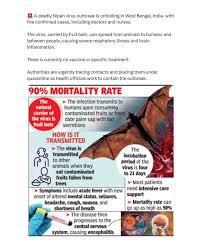
Nipah virus is a zoonotic paramyxovirus carried by fruit bats and capable of causing severe respiratory and neurological illness in people. In past outbreaks it has led to encephalitis and significant mortality. There is no widely available, licensed vaccine for general use, and treatment is primarily supportive, making early detection and infection control critical.
Current situation and public health steps
Health authorities report an active outbreak and have mobilised surveillance, laboratory testing and clinical triage to identify cases quickly. Core control measures include isolating suspected and confirmed cases, tracing and monitoring contacts, reinforcing infection prevention in healthcare settings, and advising the public on ways to reduce exposure to potential animal reservoirs and infected individuals.
Clinical and community guidance
Clinicians are being reminded to consider Nipah in patients with fever and neurological or severe respiratory symptoms and to use appropriate personal protective equipment. Community guidance emphasises avoiding raw date palm sap and contact with sick animals where relevant, practising good hand hygiene, and seeking healthcare early if symptoms develop. Clear communication from public health agencies helps limit misinformation and panic.
Conclusion: Implications and outlook
The outbreak underlines the ongoing threat posed by emerging zoonotic diseases and the need for rapid, coordinated responses. Short term priorities are to interrupt transmission, expand testing capacity and protect healthcare workers. In the medium term, investment in diagnostics, antiviral research and vaccine development remains important to reduce future risk. For readers, staying informed through official health channels, following local guidance and taking sensible hygiene precautions are practical steps to reduce personal and community risk while authorities work to control the outbreak.