

New Mpox Strain Identified in England: What You Need to Know
Breaking Development in Public Health
A new strain of mpox, previously called monkeypox, has been detected in a person in England, raising concerns among health officials about viral evolution. The UK Health Security Agency (UKHSA) has identified a new recombinant mpox virus in England in an individual who had recently travelled to Asia. This discovery underscores the importance of genomic surveillance and highlights the dynamic nature of infectious diseases in our interconnected world.
Understanding the New Recombinant Strain
Genomic sequencing showed that the mpox genome contained elements of clade Ib and IIb mpox. This recombinant virus combines genetic material from two distinct mpox subtypes, with clade Ib being associated with more severe illness and clade IIb being milder. The identification of a recombinant mpox strain containing elements of both Clade I and Clade II is precisely what experts in the field feared would happen if the virus continued to spread globally without a decisive response to stop it.
Genomic testing has enabled us to detect this new mpox strain, according to Dr Katy Sinka, Head of Sexually Transmitted Infections at UKHSA. Officials emphasize that it’s normal for viruses to evolve, and further analysis will help us understand more about how mpox is changing.
Global Context and Case Numbers
The case in England reflects a broader global challenge. There have been nearly 48,000 confirmed cases of mpox globally in 2025, and 2,500 in the past month, with most occurring in central Africa. The World Health Organization previously declared mpox a public health emergency in August 2024, though this status was lifted in September following declining case numbers.
Symptoms and Transmission
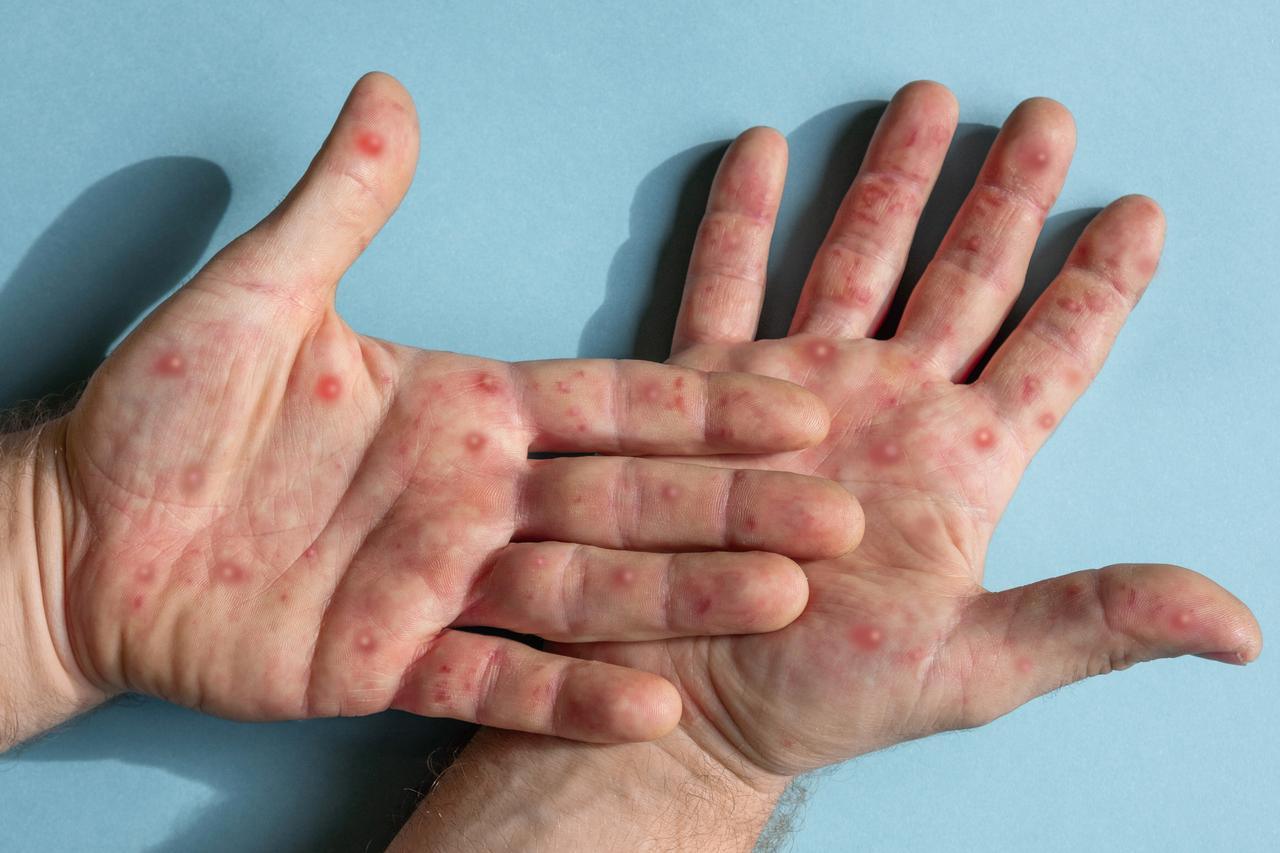
Common symptoms are lesions or a skin rash, which can last for two to four weeks, plus fever, headaches, back pain, muscle aches and tiredness. The virus spreads through direct contact with skin lesions or scabs – including during sexual contact, kissing or close physical contact.
Health Response and Vaccination
UK health authorities are responding proactively. Getting vaccinated is a proven effective way to protect yourself against severe disease, officials stress. Health officials say the vaccine is 75-80% effective at protecting against mpox. While no studies have been conducted on this specific recombinant strain’s response to vaccination, experts believe protection levels should remain high.
The NHS currently offers the mpox vaccine to people considered at higher risk, including men who have sex with men and have multiple partners. The risk to the UK population remains low, according to UKHSA.
Looking Forward
This detection serves as a critical reminder of infectious disease surveillance importance. This case highlights that mpox is circulating globally and is evolving, as predictable with these viruses. Health experts emphasize the need for continued monitoring, vaccination campaigns, and international cooperation to manage mpox transmission effectively. The key concern now is whether this recombinant strain will demonstrate altered transmissibility or cause more severe illness than previous variants.