

Typhoid Fever Outbreak in India Signals Urgent Need for Improved Water Safety and Vaccination
Recent Outbreak Raises Alarm
India is currently facing a serious typhoid outbreak that has impacted several notable cities, including Gandhinagar in Gujarat, Greater Noida in Uttar Pradesh, and areas surrounding Hyderabad in Telangana. Drinking water contamination is central to this outbreak, primarily due to sewage and pathogens entering the water supply. The situation has prompted intervention from the National Human Rights Commission, highlighting the severity of this public health crisis that affects millions globally each year.
Understanding the Disease
Typhoid fever is an illness you get from S. Typhi bacterium. It causes a high fever, flu-like symptoms and diarrhea. While estimates vary, typhoid fever is believed to cause at least 10.9 million (95% uncertainty interval [UI]: 9.3–12.6) cases and 116.8 thousand (95% UI: 65.4–187.7) deaths globally in 2017. The disease spreads through contaminated food and water, making communities with inadequate sanitation particularly vulnerable.
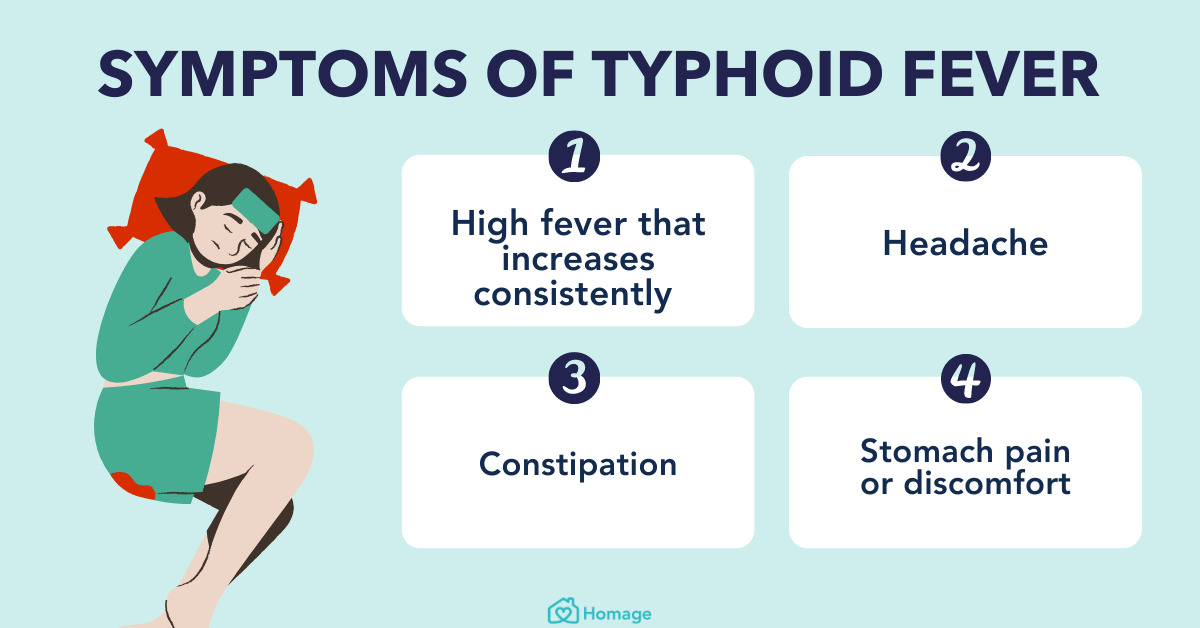
Typhoid symptoms usually develop gradually, often appearing one to three weeks after exposure to the bacteria. Symptoms include prolonged fever, fatigue, headache, nausea, abdominal pain, and constipation or diarrhoea. Without prompt treatment, the disease can lead to serious complications including intestinal perforation and sepsis.
The Growing Challenge of Drug Resistance
Typhoid is usually treatable with antibiotics, but resistance to the drugs is increasing, leading to more severe cases and hospitalizations. Pakistan has one of the highest rates of drug-resistant typhoid- more than 15,000 cases officially recorded – with contaminated water and poor sanitation contributing to the spread of the disease. This antimicrobial resistance complicates treatment and makes prevention efforts even more critical.
Prevention Through Vaccination and Sanitation
As of July, 2025, TCV had been introduced as campaigns or routine immunisations or both in Burkina Faso, Fiji, Kenya, Kiribati, Liberia, Malawi, Nepal, Pakistan, Samoa, Tuvalu, and Zimbabwe, and is planned to be introduced in Bangladesh and Niger later in 2025. These typhoid conjugate vaccines offer hope for better disease control, particularly in endemic regions where access to clean water remains limited.
Significance for Public Health
The recent Indian outbreak serves as a stark reminder that typhoid fever remains a significant threat in areas with inadequate water infrastructure. Despite progress, typhoid remains a public health threat, compounded by climate change, urbanisation, and the emergence and spread of antimicrobial resistance, including extensively drug-resistant Salmonella Typhi strains. For travellers to endemic regions, vaccination and careful attention to food and water safety are essential preventive measures. As the global community works toward improved sanitation and expanded vaccine coverage, continued vigilance and investment in public health infrastructure remain crucial to controlling this ancient yet persistent disease.