

Understanding the Fentanyl Crisis and Its Impacts
Introduction
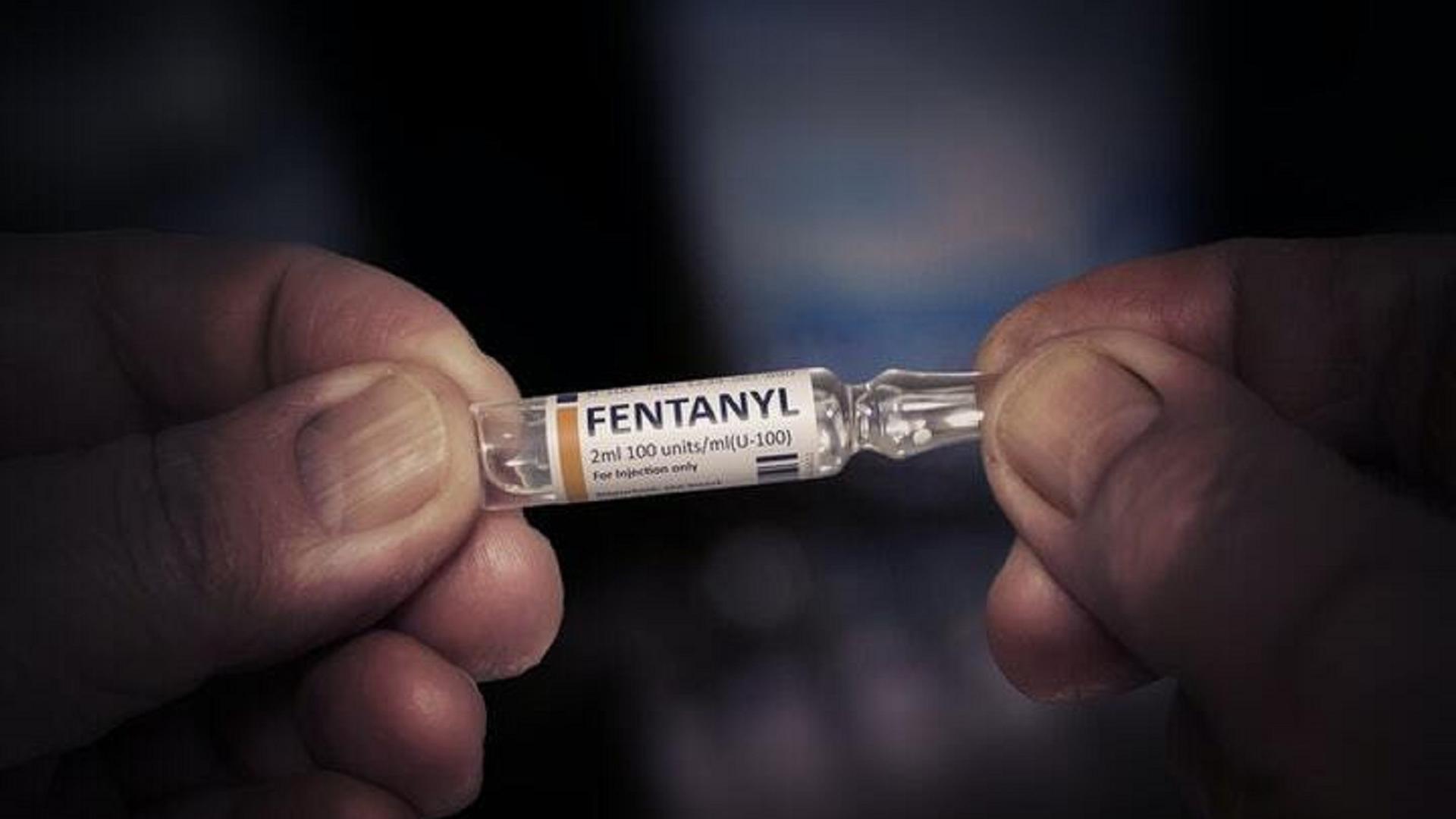
The ongoing fentanyl crisis has become a significant public health issue in the United Kingdom and around the world. This potent synthetic opioid, which is 50 to 100 times more powerful than morphine, has been linked to a dramatic increase in overdose deaths and has raised alarms among health professionals and policymakers alike. As the substance continues to seep into various illicit drugs, its widespread use poses serious risks to communities, making it imperative to understand its effects and develop strategies for mitigation.
The Rise of Fentanyl
Initially developed for medical purposes, fentanyl is prescribed for severe pain, especially in cancer treatment. However, in recent years, its illegal production and distribution have surged. According to the Office for National Statistics, the number of deaths related to fentanyl and its analogues in the UK increased from virtually none in 2012 to over 200 in 2022. This spike highlights the increasing dangers associated with fentanyl, leading to calls for immediate action.
Current Events and Government Response
In response to the crisis, the UK government has begun implementing various measures aimed at reducing the prevalence of fentanyl in the drug market and addressing the growing number of overdoses. In October 2023, Home Secretary Suella Braverman announced a new initiative containing increased funding for drug treatment programs, aimed at educating the public about the dangers of fentanyl. This program is expected to improve access to treatment while increasing awareness of the risks associated with fentanyl, particularly among vulnerable populations.
The Impact on Communities
The impact of fentanyl use is not limited to individuals; it extends deeply into communities. Families are often torn apart due to addiction, and the burden on emergency services and healthcare systems increases significantly. Local community organisations are struggling to cope with the influx of individuals seeking help for fentanyl-related addiction, leading to calls for collaborative approaches among various stakeholders to address the issue effectively.
Conclusion
As the fentanyl crisis evolves, it remains critical for both policymakers and communities to recognise and respond to its complexities. While increased funding for treatment and awareness campaigns are a step in the right direction, more comprehensive strategies are necessary to combat this health emergency. The way forward will depend on a unified response involving education, healthcare reforms, and community support, ultimately aiming to protect individuals and foster safer environments.