

Jack Fincham Opens Up About Recovery Battle and Financial Hardship
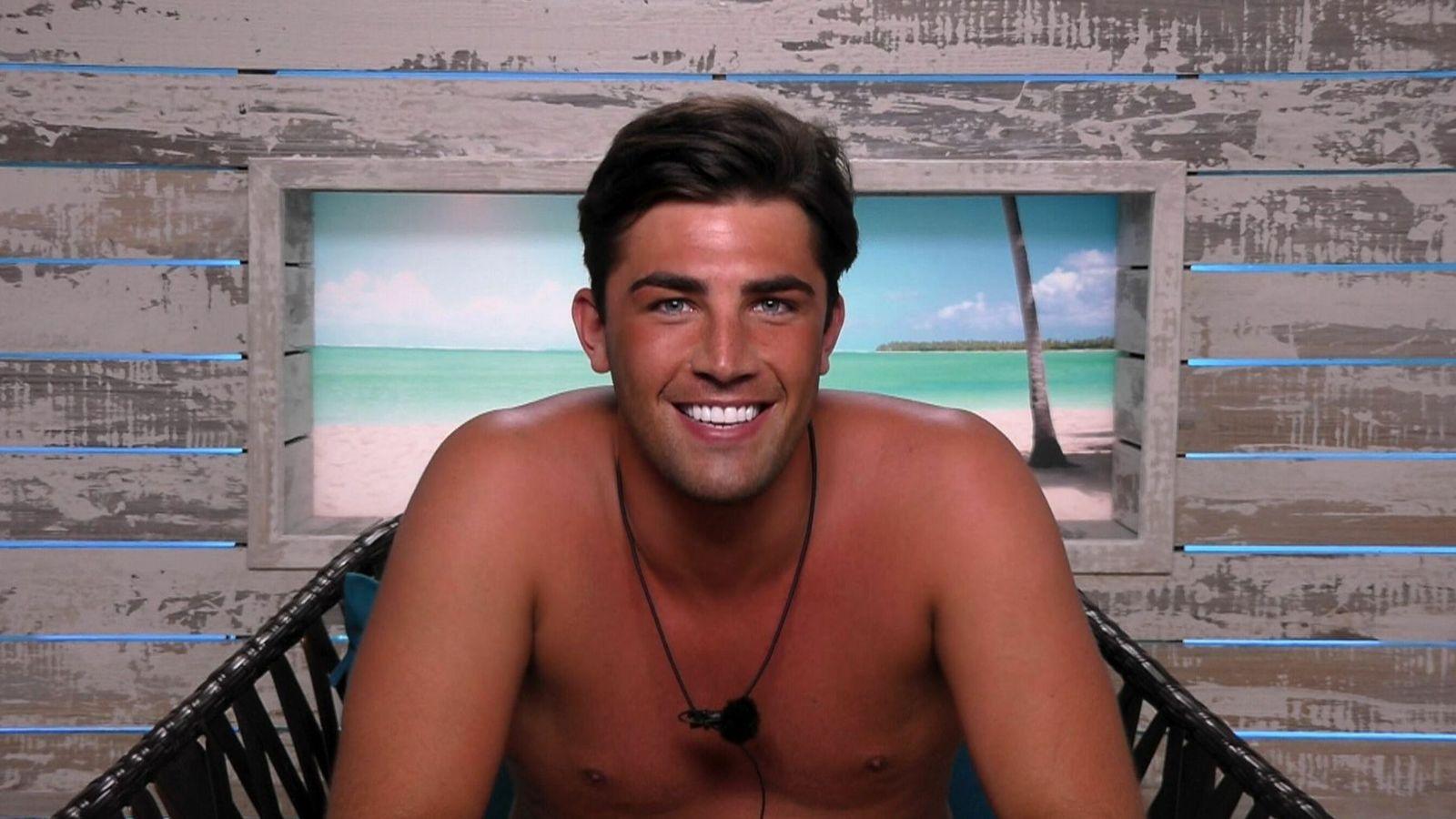
Love Island Star Faces Personal Challenges
Jack Fincham rose to prominence in 2018 when he won Love Island with ex-partner Dani Dyer. Now at 33, the reality television star is confronting significant personal challenges as he candidly discusses his journey towards recovery and rehabilitation.
Financial Barriers to Treatment
Jack Fincham, the winner of Love Island, has publicly admitted to struggles with alcohol and drug use. Despite expressing a desire for rehabilitation, he finds himself unable to afford the necessary treatment, stating that his finances are depleted. He wants to earn enough to pay for rehab, which costs around £15,000 for two weeks. This financial obstacle represents a significant barrier to accessing the professional help he seeks.
Recent Relapse and Health Challenges
Recently, Fincham revealed that he has experienced a relapse involving alcohol and drugs, returning to unhealthy habits just weeks before Christmas. He has acknowledged his struggles with ADHD, which add to his insomnia and lack of focus. Recently, he sought help from a doctor, who provided him with cognitive behavioral therapy options and medication to manage his conditions.
New Career Path and Future Aspirations
In a bid to turn his life around, Jack recently secured a new job as a lift engineer. This role is aimed at providing him with structure and income. Despite current difficulties, Jack Fincham remains optimistic about the future. He is focused on using his new job as a stepping stone towards a healthier lifestyle and a possible return to the entertainment industry.
Significance for Mental Health Awareness
Fincham’s openness about his struggles highlights the ongoing challenges faced by reality television personalities after the cameras stop rolling. His story underscores the importance of accessible mental health services and the financial realities many face when seeking treatment. Currently, he has significant social media influence, boasting 1.5 million Instagram followers and a growing YouTube channel. His candid approach may help reduce stigma surrounding addiction and mental health issues whilst demonstrating that recovery is a challenging but worthwhile journey.