

Measles outbreak: what the public needs to know
Introduction: why a measles outbreak matters
Reports of a measles outbreak have renewed focus on a disease that is highly contagious but preventable. Measles can spread rapidly in communities with low vaccination coverage and can place pressure on healthcare services. Understanding the basics of transmission, symptoms and prevention is important for individuals, families and public-health planners.
Main developments and key facts
Transmission and clinical features
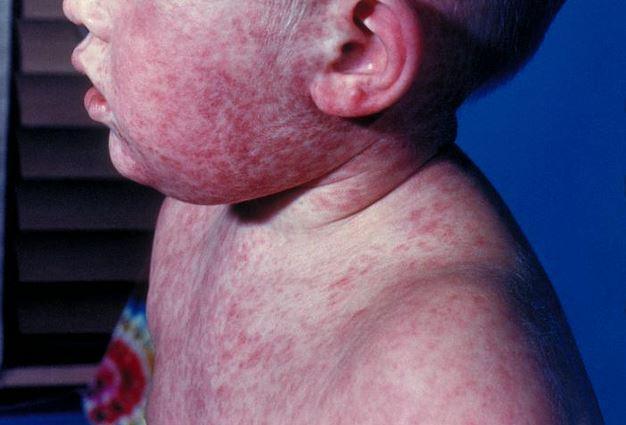
Measles is transmitted through respiratory droplets and can remain infectious in an indoor environment for several hours. Typical early symptoms include fever, cough, runny nose and conjunctivitis, often followed by a characteristic rash. Complications can be serious, particularly for infants, pregnant people and those with weakened immune systems.
Public-health response
In response to an outbreak, health authorities generally undertake case identification, contact tracing and targeted vaccination campaigns. Clear communication from public-health agencies aims to inform the public about how to recognise symptoms, when to seek medical advice and how to reduce spread, for example by isolating suspected cases and practising good respiratory hygiene.
Vaccination and protection
Vaccination remains the most effective protection against measles. Two doses of the measles-containing vaccine are recommended for long-term immunity. Where coverage drops, the risk of outbreaks rises. Health services typically encourage people to check their immunisation records and to take up catch-up vaccination if needed.
Practical advice for readers
If you suspect you or a family member has measles, contact your healthcare provider for guidance and avoid attending clinics or schools in person until advised. Parents should ensure children’s vaccination schedules are up to date and adults should check for past immunisation if uncertain. Follow official guidance from local public-health agencies for testing and isolation recommendations.
Conclusion: implications and outlook
A measles outbreak underscores the importance of sustained vaccination programmes and rapid public-health action. While outbreaks can be controlled with coordinated measures, their occurrence highlights vulnerabilities in community immunity. Readers are advised to stay informed through trusted health sources, review vaccination status and follow local public-health advice to reduce transmission and protect those most at risk.