

The Significance of World AIDS Day 2025
Introduction
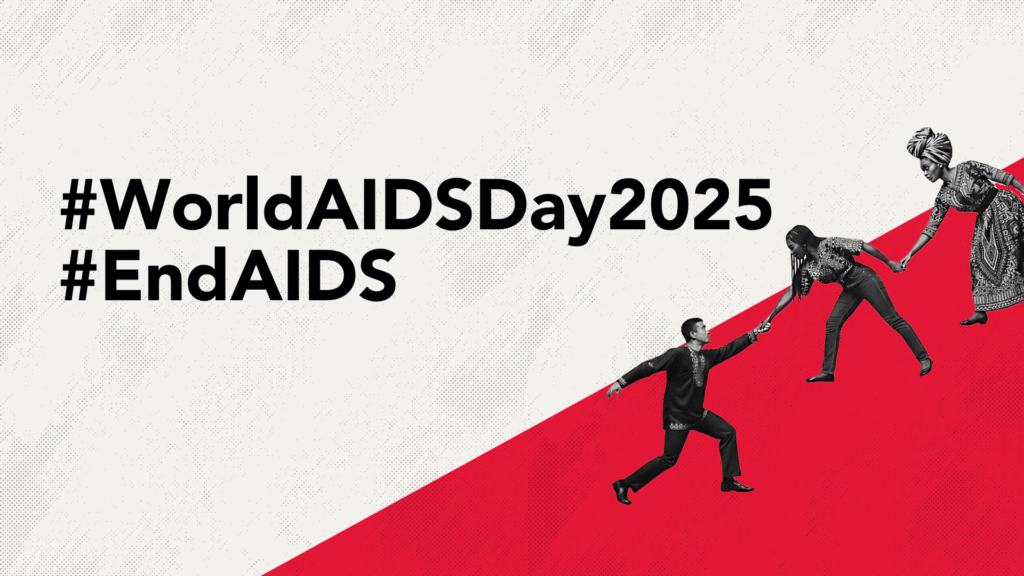
World AIDS Day, observed annually on December 1, serves as a vital reminder of the ongoing struggle against HIV/AIDS. The observance aims to raise awareness, commemorate those who have lost their lives to the epidemic, and advocate for a renewed commitment to tackling the disease globally. As we approach World AIDS Day 2025, it is critical to address both the progress that has been made and the challenges that remain in the fight against HIV/AIDS.
The Current State of HIV/AIDS
According to the latest statistics from the Joint United Nations Programme on HIV/AIDS (UNAIDS), more than 38 million people are living with HIV worldwide. Despite advancements in treatment and prevention, new infections remain a pressing concern, especially in vulnerable populations. In 2020 alone, approximately 1.5 million people were newly infected with the virus. The COVID-19 pandemic has further complicated efforts to combat the epidemic, with disruptions to health services and supply chains impacting access to antiretroviral therapy.
World AIDS Day 2025 Theme
As World AIDS Day 2025 approaches, the global community is expected to focus on promoting universal access to healthcare services, especially in light of the lessons learned during the COVID-19 pandemic. The theme for 2025 will likely centre around strengthening healthcare infrastructures to ensure no one is left behind in accessing necessary prevention and treatment options. Community engagement and education are also expected to play pivotal roles in the celebrations and awareness campaigns leading up to the event.
Community Involvement and Awareness
In preparation for World AIDS Day 2025, various organisations and advocacy groups are working tirelessly to foster dialogue and understanding about HIV/AIDS. Initiatives include educational workshops, public health campaigns, and fundraising events aimed at supporting research for new treatments and potential cures. The importance of involving people living with HIV in these dialogues cannot be overstated, as their experiences can help shape a more inclusive approach to addressing the epidemic.
Conclusion
As we look towards World AIDS Day 2025, it is essential to remain committed to the fight against HIV/AIDS. The observance acts as a platform not only for reflection but also as a call to action for governments, organisations, and individuals to come together in solidarity. With continued advocacy, education, and investment in health services, it is possible to envision a future where HIV/AIDS is no longer a public health threat. Together, we can strive for a world where everyone has access to the care they need, contributing to a healthier, more equitable global community.