

Bruce Willis’ Battle with Frontotemporal Dementia: A Family’s Journey Through Illness
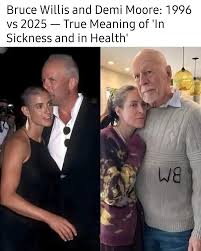
Understanding Bruce Willis’ Illness
Since 2022, Bruce Willis has been grappling with his health, including an aphasia diagnosis and frontotemporal dementia. The Hollywood legend, known for iconic roles in Die Hard and Pulp Fiction, stepped away from acting as his condition progressed. In 2022, Willis’ family announced he had been diagnosed with aphasia, a condition that causes loss of the ability to understand or express speech. Nearly a year later, the family said the actor had received a more specific diagnosis of frontotemporal dementia (FTD).
What Is Frontotemporal Dementia?
The Association for Frontotemporal Degeneration describes FTD as a group of brain disorders caused by degeneration of the frontal and/or temporal lobes of the brain, which affects behavior, language and movement. The illness had advanced into FTD, an incurable and aggressive form of dementia. Unlike Alzheimer’s, FTD strikes primarily at language, personality, and behavior before memory loss appears. This makes it particularly challenging for patients and their families.
Recent Health Updates
Bruce Willis’ brain is “failing him,” and his ability to communicate is fading, according to his wife Emma Heming Willis. “Bruce is in really great health overall, you know. It’s just his brain that is failing him,” Heming Willis told ABC News’ Diane Sawyer. In a deeply personal essay published on her website, Emma Heming Willis opened up about the emotional toll of navigating the holidays since her husband’s dementia diagnosis.
“Bruce is still very mobile,” she said recently during an interview with Diane Sawyer of ABC News. Despite his physical health remaining relatively stable, the cognitive decline continues. When asked whether Willis, her husband of 16 years, is able to recognize her, Heming Willis said a connection is still there. “You know, when we are with him … he lights up, right?” Heming Willis told Sawyer, adding that his connection is also present with the couple’s two young daughters and Willis’ three adult daughters.
Family Support and Advocacy
Bruce Willis’ wife, Emma Heming Willis, also recently revealed that she has moved him into a separate home away from their primary residence, where he has 24/7 access to a dedicated care team. The decision, though met with some criticism online, prioritises Willis’ safety and care needs whilst maintaining quality of life for their daughters.
The experience spurred Heming Willis — a model and entrepreneur who prefers to work out of the spotlight — to move front-and-center as a public advocate for caregivers and the need for more support for loved ones of people living with conditions like dementia. She has authored a book titled “The Unexpected Journey,” aimed at supporting other caregivers facing similar challenges.
Significance for Families Facing Dementia
Bruce Willis’ public battle with frontotemporal dementia has brought crucial awareness to this often-misunderstood condition. His family’s transparency has helped countless others understand the realities of caregiving and the importance of meeting patients “where they’re at.” As millions of families worldwide face similar journeys, the Willis family’s openness serves as both education and inspiration, demonstrating that love and support remain powerful even amidst devastating illness.