

Chickenpox Vaccine Programme Undergoes Significant Changes in UK and US
Introduction: A Milestone in Childhood Immunisation
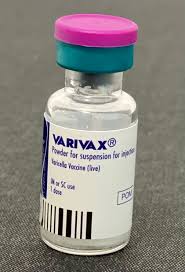
The chickenpox vaccine is experiencing transformative changes across the UK and United States as health authorities implement new policies that will affect millions of families. A vaccine for chickenpox will be added to the NHS routine childhood vaccination programme in England, Wales, and Northern Ireland from January 2026, marking a significant expansion of preventive healthcare for children. This development comes at a crucial time when childhood vaccination rates have fallen below optimal targets, making these policy shifts particularly relevant for parents and healthcare providers alike.
NHS Introduces Combined MMRV Vaccine
The jab will be delivered as part of a new combined measles, mumps, rubella, and varicella (MMRV) vaccine, which will replace the current MMR vaccine and be offered to children at 12 and 18 months through GP practices. Health officials estimate the programme will protect around 500,000 children every year. The economic implications are substantial: while chickenpox usually resolves within 1-2 weeks, it costs the UK an estimated £24 million in lost income and productivity each year, and the rollout is also expected to save the NHS £15 million a year in treatment costs.
US Takes Different Approach with Standalone Vaccination
Across the Atlantic, American health authorities have adopted a contrasting strategy. The Centers for Disease Control and Prevention (CDC) updated its adult and child immunization schedules to recommend that toddlers receive protection from varicella (chickenpox) as a standalone immunization rather than in combination with measles, mumps, and rubella vaccination. The CDC’s new recommendation of standalone chickenpox vaccination for toddlers through age three follows evidence that healthy 12–23 months old toddlers have increased risk of febrile seizure seven to 10 days after vaccination for the combined measles, mumps, rubella, and varicella vaccine compared to those given immunization for chickenpox separately.
Proven Safety and Effectiveness
The chickenpox vaccine is already part of national programmes in countries such as Germany, Canada, and the US, where cases and hospitalisations have declined significantly. Expert endorsement has been strong, with research showing that UK parents will welcome the vaccine and can be reassured that it is highly effective and has a good safety record, having been used in the USA for 30 years.
Conclusion: Addressing Health Inequalities and Protecting Vulnerable Populations
These vaccine policy changes represent a significant step forward in protecting children from a highly contagious disease that, whilst often mild, can cause serious complications and economic disruption. The NHS rollout addresses long-standing health inequalities by providing free access to a vaccine previously available only privately for around £150. For parents, these changes mean enhanced protection for their children delivered through established healthcare pathways. As vaccination programmes evolve globally, the divergent approaches between the UK’s combined vaccine strategy and the US standalone method demonstrate how health systems adapt evidence-based medicine to their specific populations, ultimately working towards the same goal: healthier children and reduced disease burden.