

Intermittent Fasting for Weight Loss: What to Know
Introduction: Why intermittent fasting weight loss matters
Interest in intermittent fasting for weight loss has grown in recent years as people seek sustainable, flexible approaches to manage body weight and metabolic health. The topic is relevant to many readers because it offers an eating framework rather than a prescriptive diet, and can be adapted to different lifestyles. Understanding how intermittent fasting may support weight loss, and its limitations, helps readers decide whether to try it and how to do so safely.
Main body: Methods, mechanisms and practical facts
Common approaches
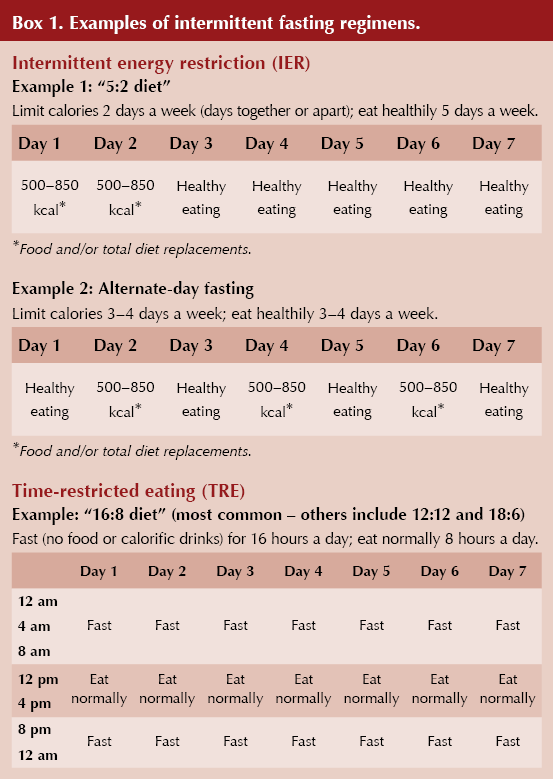
Intermittent fasting describes patterns of eating that alternate periods of eating and fasting. Popular methods include time-restricted eating (for example, a 16:8 pattern where eating is confined to an 8-hour window), the 5:2 approach (two short low-calorie days per week), and alternate-day fasting. Each approach varies in how often and how long the fasting periods are.
How it may aid weight loss
Weight loss with intermittent fasting generally arises because total calorie intake tends to fall when eating windows are reduced. Fasting periods can also affect hormones involved in appetite and metabolism, such as insulin and ghrelin, which may help some people reduce hunger or improve blood-sugar control. For many, intermittent fasting is effective because it is simple to follow and can reduce snacking and late-night eating.
Evidence and limitations
Clinical studies indicate intermittent fasting can produce weight loss for some individuals, comparable to continuous calorie-restriction diets over the short to medium term. However, outcomes vary: adherence, individual biology and overall food choices matter. Intermittent fasting is not a guaranteed or universal solution, and its long-term benefits and risks are still being studied.
Practical considerations
Those considering intermittent fasting should focus on the quality of foods eaten during non-fasting periods and maintain adequate hydration. It may not be appropriate for everyone—people who are pregnant, breastfeeding, underweight, have a history of eating disorders, or certain medical conditions should seek professional advice before starting. Gradual adjustments and monitoring how you feel can help evaluate whether the approach is suitable.
Conclusion: What readers should take away
Intermittent fasting can be a useful, flexible tool for weight loss for some people, largely by reducing overall calorie intake and simplifying eating patterns. It is not a one-size-fits-all solution; effectiveness depends on adherence, food choices and individual health. Readers should consider their personal circumstances and, where needed, consult a healthcare professional to determine if intermittent fasting is an appropriate and safe option.