

Intermittent Fasting Weight Loss Review: Evidence and Advice
Introduction: Why this review matters
Intermittent fasting weight loss review has become a frequent topic in health reporting and public conversation. As rising numbers of people try time-restricted eating and fasting cycles to lose weight, understanding the evidence and practical implications is important for readers deciding whether to adopt these approaches. This article summarises current, evidence-based findings and highlights considerations for safety and long-term success.
Main body: What the evidence and reviews show
Common approaches
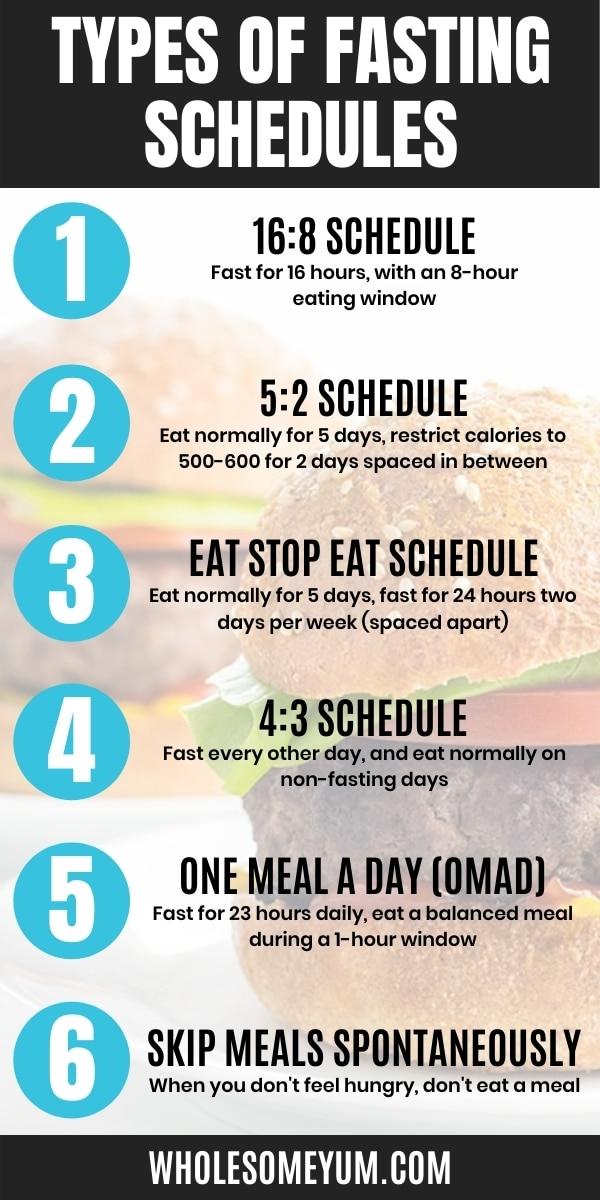
Intermittent fasting (IF) describes several eating patterns that alternate periods of calorie restriction with normal eating. Common formats include time-restricted eating (for example 16:8, where eating is limited to eight hours a day), the 5:2 model (two low-calorie days per week) and alternate-day fasting. These methods differ in intensity and suitability for individuals.
What systematic reviews and meta-analyses report
Recent reviews indicate that, in the short to medium term, intermittent fasting generally produces weight loss comparable to continuous calorie restriction when total energy intake is similar. Some studies also report modest improvements in cardiometabolic markers — such as insulin sensitivity and blood pressure — but results vary between trials and populations. Adherence and total calories consumed remain key drivers of weight loss outcomes.
Practical benefits and limitations
People report practical advantages to IF, including simpler meal planning and reduced opportunities for snacking. However, fasting can present challenges: hunger, social disruption, and difficulty maintaining the pattern long-term. It is not appropriate for everyone. Those who are pregnant, breastfeeding, underweight, or taking certain medications (for example some diabetes treatments) should seek medical advice before starting.
Conclusion: Significance and outlook
Overall, the intermittent fasting weight loss review suggests IF is a viable option for many people seeking weight loss, particularly when it helps reduce overall calorie intake and fits a person’s lifestyle. Long-term comparative data are still limited, so the best approach is personalised: consider preferences, medical history and likelihood of sustained adherence. Expect continued research and refined guidance as longer-term trials and real-world studies accumulate. Readers considering IF should consult a healthcare professional to ensure it is safe and appropriate for their circumstances.