

Nestle issues global baby formula recall over possible toxin
Introduction: why the Nestle baby formula recall matters
The nestle baby formula recall has drawn international attention because infant formula is a staple for many families and any safety concern can directly affect newborn health. Nestle, one of the world’s largest food producers, has warned that specific batches of its infant and follow‑on formulas may contain a toxin that can cause foodborne illness. Authorities and manufacturers are urging caregivers to check product details and stop use of affected tins as a precaution.
Main details: which products and what is known
Brands and batches under recall
Nestle announced a global recall of certain SMA infant formula and follow‑on formula batches after tests indicated a possible presence of cereulide, a toxin that can trigger nausea and vomiting. The company said the batches were sold across multiple countries and emphasised that all other Nestle products and unaffected batches remain safe to consume.
Local notices and voluntary actions
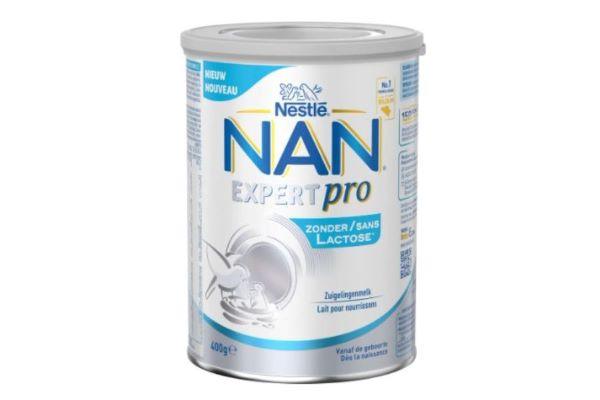
Nestle France described its action as a ‘preventive and voluntary recall’ affecting selected Guigoz and Nidal infant formulas. South African authorities and Nestle reported a recall of a batch of NAN Special Pro. South African reporting identified the affected manufacture date as 15 June 2025 with a best‑before date of 15 December 2026; caregivers were advised to check tins and return affected products for a refund.
Health guidance and reported illness
The toxin of concern, cereulide, is known to cause nausea and vomiting. Nestle said there have been no confirmed reports of illness linked to the recalled products but that the recall was issued ‘out of an abundance of caution’. The UK Food Standards Agency’s head of incidents, Jane Rawling, advised parents, guardians and caregivers not to feed infants or young children the affected products while investigations continue.
Conclusion: what consumers should do and what to expect
For now, the key actions for caregivers are to check product labels against recall notices, stop using any tins specified in the alerts and follow instructions from retailers or Nestle for returns and refunds. Regulators and the company are monitoring the situation and have framed the measures as preventive. Parents should watch for updates from Nestle and local food safety authorities and consult health professionals if they have concerns about a child who has consumed an affected product.