

NHS experts warn vitamin D users about four key overdose symptoms
Introduction: Why this warning matters
The NHS has issued a warning for people taking vitamin D supplements, stressing the importance of correct dosing. With around 42% of UK adults taking supplements, and NHS England reporting cases and hospital admissions for hypercalcaemia linked to excess intake, recognising early overdose signs has become more relevant to public health. The NHS recommends a daily 10 microgram dose of vitamin D during the darker months; taking more can lead to harmful effects.
Main body: What users should watch for
NHS dosing advice
An NHS spokesman reminded the public that between October and March the body cannot make enough vitamin D from sunlight and advised taking a daily 10 microgram supplement to keep bones and muscles healthy.
The four key overdose symptoms
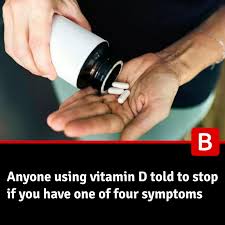
Experts highlighted four key clusters of symptoms that may indicate too much vitamin D. Users are advised to stop or pause supplementation if they notice any of the following soon after increasing intake or adding sprays or gummies:
- Constant thirst and needing the loo more often (frequent urination)
- Queasiness, tummy pain or constipation
- Persistent headaches or episodes of brain fog
- New or worsening aches and muscle cramps
More serious signs and reported impacts
NHS reporting has linked excessive vitamin D intake to cases of hypercalcaemia, with symptoms such as persistent nausea and vomiting, extreme fatigue, muscle weakness and frequent urination noted in clinical accounts. These more severe presentations have, in some instances, led to hospitalisation according to NHS England data.
Conclusion: Practical takeaways for readers
The NHS message is clear: take a daily 10 microgram supplement of vitamin D in winter, but avoid overshooting. If you begin to experience any of the four key symptoms — increased thirst and urination, queasiness or stomach problems, headaches or brain fog, or new aches and cramps — stop taking the supplement and seek medical advice. Given widespread supplement use and reported hospital cases, awareness of these signs can help prevent complications from vitamin D overdose.