

Nipah virus outbreak latest news: Two cases in West Bengal contained
Introduction — why the Nipah news matters
The nipah virus outbreak latest news is significant because Nipah is a zoonotic virus that can cause serious illness and prompt rapid public-health responses. Recent confirmations of human cases in India have drawn attention from regional and international health bodies. Accurate, up-to-date reporting is important for public awareness, cross-border surveillance and targeted containment measures.
Main developments
Confirmed cases and containment
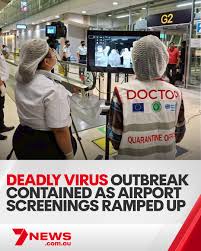
Indian authorities confirmed two human cases of Nipah virus in the eastern state of West Bengal. Following these detections, officials said they had contained the outbreak. The swift response included case investigation and measures aimed at limiting further transmission.
World Health Organization update
The World Health Organization cited a statement from the Indian National Centre for Disease Control (NCDC) on 27 January that no further confirmed cases had been detected in West Bengal. That update suggests the immediate cluster of identified cases had not expanded, according to national surveillance data shared with WHO.
Regional and international monitoring
Countries across Asia, as well as health authorities in the United States, have been monitoring the situation closely. The confirmation of two human cases prompted enhanced vigilance and review of public-health measures beyond India’s borders. Experts have cautioned that even small clusters can require prompt action to prevent wider spread.
Conclusion — implications and outlook
The current nipah virus outbreak latest news indicates that Indian authorities have moved quickly to contain a two-case cluster in West Bengal and that, as of 27 January, no additional confirmed cases were reported by the NCDC to WHO. Regional and international monitoring remains in place, reflecting concerns about potential spread and the importance of rapid detection. For readers, the key takeaways are the effectiveness of early containment and the need for continued surveillance. Health agencies are likely to maintain heightened readiness while investigations continue, and any changes in case numbers will determine the next steps in public-health response and travel or screening advisories.