

Rabies death: recent cases in the US and a global perspective
Introduction: Why a rabies death matters
Rabies death remains a critical public health concern despite long-term declines in many countries. Recent reports of human fatalities have renewed attention on how the virus is acquired, where risks persist, and what surveillance authorities are detecting. Understanding current patterns is relevant for clinicians, public-health professionals and members of the public who may encounter bats, stray dogs or other potentially infected animals.
Main developments and current facts
United States
Health authorities have signalled renewed concern after reporting six human deaths from rabies in the United States over the last year. A CDC spokesperson told Fox News Digital that two of those deaths occurred in 2025. While human rabies deaths in the US fell dramatically over the past century—from more than 100 annually in the early 1900s to generally fewer than five cases in recent years—this recent cluster represents a notable increase compared with that low baseline.
Sources and transmission patterns
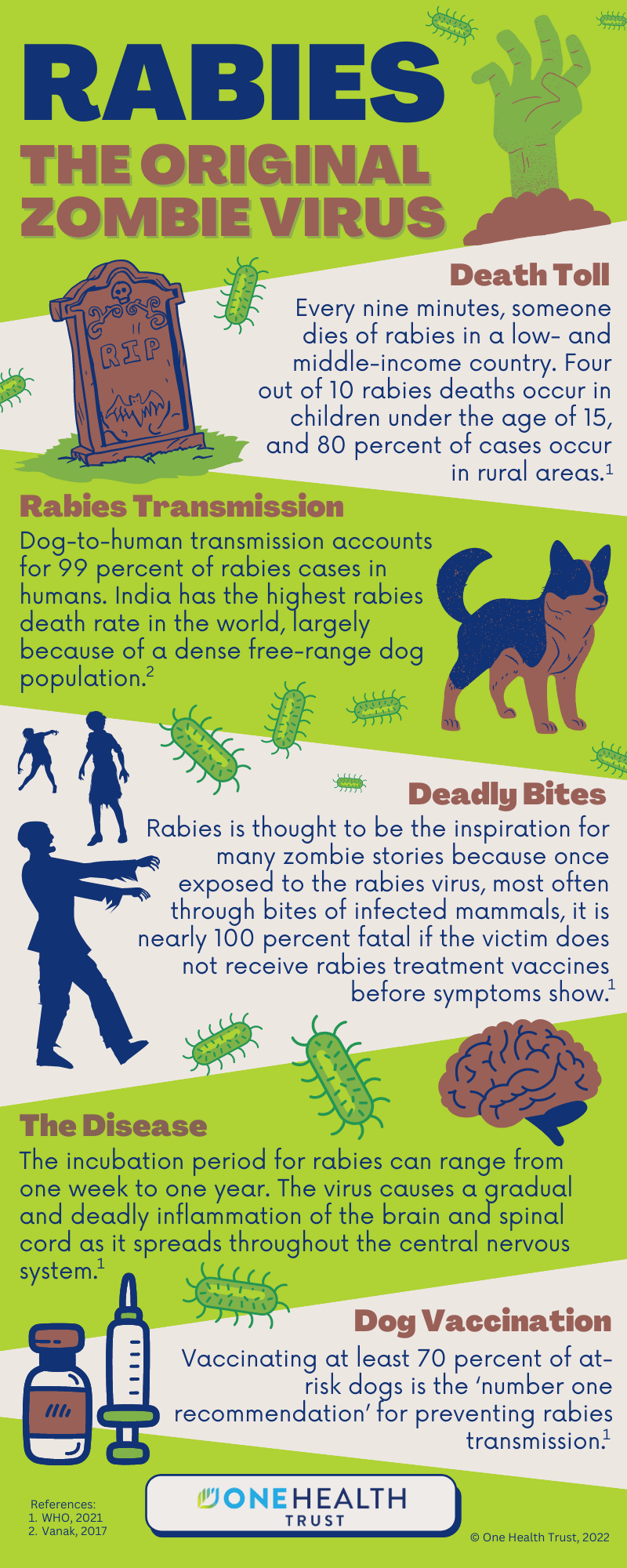
In the United States, the pattern of transmission differs from many parts of the world. Globally, dog bites and scratches account for about 99% of human rabies cases, according to prevalence summaries. By contrast, in the US most identified human rabies cases have been acquired from bats. Where the virus variant was identified, the silver‑haired bat and the tricoloured bat have been responsible for roughly 60% of those infections.
European and international context
In the European Union, most recent human rabies deaths have involved infections acquired abroad, though isolated indigenous cases have occurred. Notable recent incidents cited in public records include a 2019 bat‑acquired human death in France and a 2025 case in Romania: a man in Iași County who died after being bitten by a rabid stray dog. These events underline that while rabies is rarer in many high‑income countries than historically, imported or locally acquired cases still occur.
Conclusion: Significance and outlook
The recent reports of rabies death in the US and isolated cases in Europe emphasise the continuing, if low, risk posed by the virus. For readers, the key takeaway is that rabies remains present in wildlife and in some domestic animal populations abroad. Continued surveillance, awareness of exposure risks—particularly from bats and dogs—and timely public‑health response are important to prevent further fatalities and manage the disease where it appears.