

Recognising Early Onset Bowel Cancer Symptoms
Introduction: Why early onset bowel cancer symptoms matter
Reports from health services and cancer registries have highlighted a rise in bowel cancer diagnoses among younger adults in recent years. Recognising early onset bowel cancer symptoms is therefore increasingly important for patients and clinicians. Early detection improves treatment options and outcomes, so public awareness of warning signs can help reduce delays in diagnosis.
Main body: Common signs, testing and risk factors
Typical symptoms to watch for
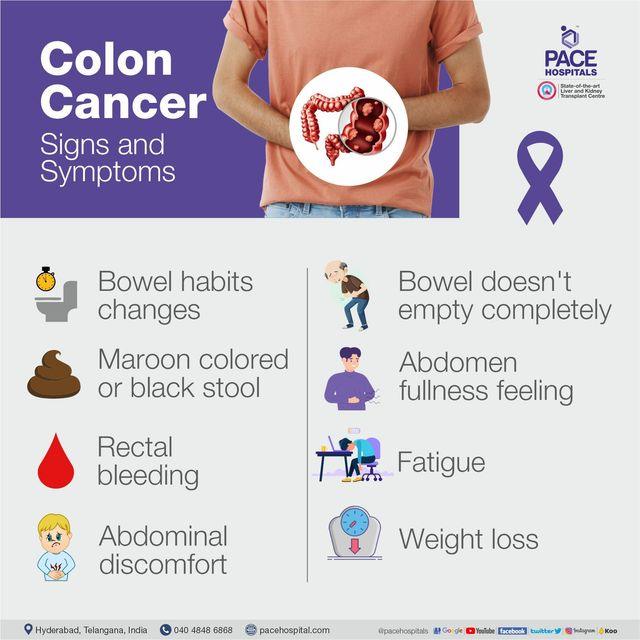
Early onset bowel cancer symptoms often mirror those seen in older patients. The most commonly reported signs include persistent changes in bowel habit (such as diarrhoea or constipation), blood in the stool or rectal bleeding, ongoing lower abdominal pain or discomfort, unexplained weight loss and persistent fatigue. Some people develop iron-deficiency anaemia with symptoms such as breathlessness or paleness.
Why symptoms may be missed in younger people
Because bowel cancer is still more common in older adults, symptoms in younger patients can be attributed to benign conditions such as haemorrhoids, irritable bowel syndrome or infections. This can lead to delays in investigation. Clinicians are increasingly advised to consider cancer in younger patients when red-flag symptoms persist or when multiple worrying features are present.
Investigation and when to see a GP
If you notice persistent symptoms—especially rectal bleeding, a clear change in bowel habit, unexplained weight loss or new, persistent abdominal pain—you should consult your GP. Primary care assessment may include a physical examination, blood tests (including checks for anaemia), a faecal immunochemical test (FIT) and referral for colonoscopy or imaging when indicated. Prompt assessment helps identify problems earlier.
Risk factors
Risk factors for early onset bowel cancer can include a family history of colorectal cancer, hereditary syndromes, long-standing inflammatory bowel disease, smoking, obesity and certain dietary patterns. Having risk factors does not mean someone will develop cancer, but it may affect the level of clinical suspicion.
Conclusion: Significance and outlook
Awareness of early onset bowel cancer symptoms is essential as average patient age at diagnosis shifts younger. For readers, the key message is simple: persistent or worrying bowel symptoms should not be ignored. Timely GP consultation and appropriate investigations increase the chances of early diagnosis and more effective treatment. Health services and public information campaigns are expected to continue emphasising symptom recognition and rapid referral pathways to improve outcomes.