

Revolutionary Treatments Transform Outlook for Children with SMA Type 1
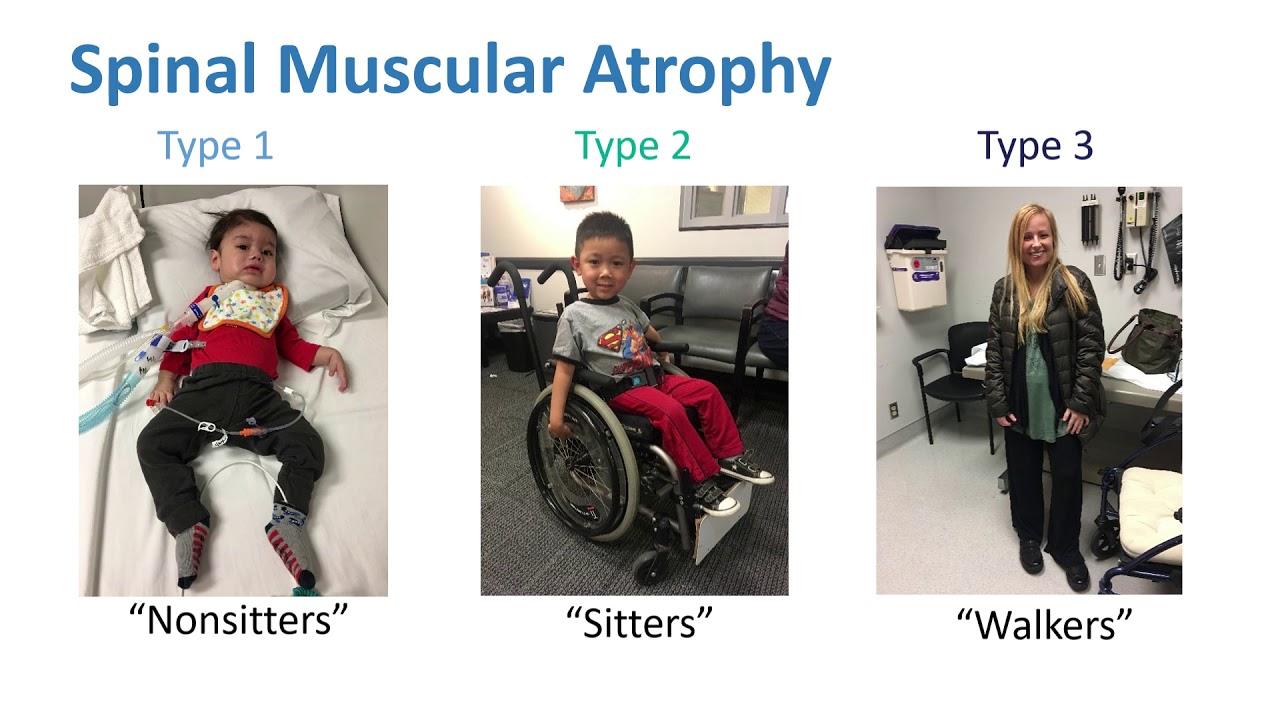
Understanding SMA Type 1: The Most Severe Form
Type 1 is the most common form of SMA, accounting for about 60% of all cases. Mutations in the SMN1 gene cause all types of spinal muscular atrophy. Symptoms of type 1 spinal muscular atrophy manifest within the first 6 months of life, and without treatment, most babies would die before age 2. This genetic neuromuscular disorder causes progressive muscle weakness and wasting, affecting motor neurons in the spinal cord.
Game-Changing Treatment Breakthroughs
The development of disease-modifying therapies has dramatically changed the disease course, leading to significant improvements in survival and motor, respiratory and bulbar function. The recent development of 3 novel, now FDA-approved treatments—nusinersen, onasemnogene abeparvovec, and risdiplam—has significantly altered the course of SMA.
Of the eight children genetically predisposed to the most severe form of SMA, type 1, seven were able to sit at 12 months, and five could walk by the end of the study’s two-year reporting period, with no fatalities. These results represent a dramatic transformation from the natural history of the disease, demonstrating that early intervention can preserve motor function and dramatically improve survival rates.
Latest Developments in 2025
Recent clinical trials continue to push boundaries. A new clinical trial has revealed encouraging results for a muscle-targeting therapy aimed at improving motor function in children and adolescents with spinal muscular atrophy, according to a study published in The Lancet Neurology. The SAPHIRRE trial, testing the combination of apitegromab with Spinraza or Evrysdi in type II or III SMA: after one year of treatment, improvement in motor function versus placebo.
Inclusion of SMA in the Newborn Screening in the US has been a great improvement. This allows for immediate treatment initiation before symptoms appear, which has proven critical for optimal outcomes.
Significance for Families
New disease-modifying therapies have radically changed the prognosis for babies born with SMA type 1, especially when treatment is initiated early. Clinical trials have demonstrated such therapies can improve survival outcomes compared with what’s expected without treatment, and many children treated early in life are still alive today. While long-term data continues to emerge, these treatments offer hope where previously there was none, transforming SMA type 1 from a universally fatal condition into a manageable chronic disease with meaningful quality of life.