

The Rising Concern Over Ultra Processed Foods
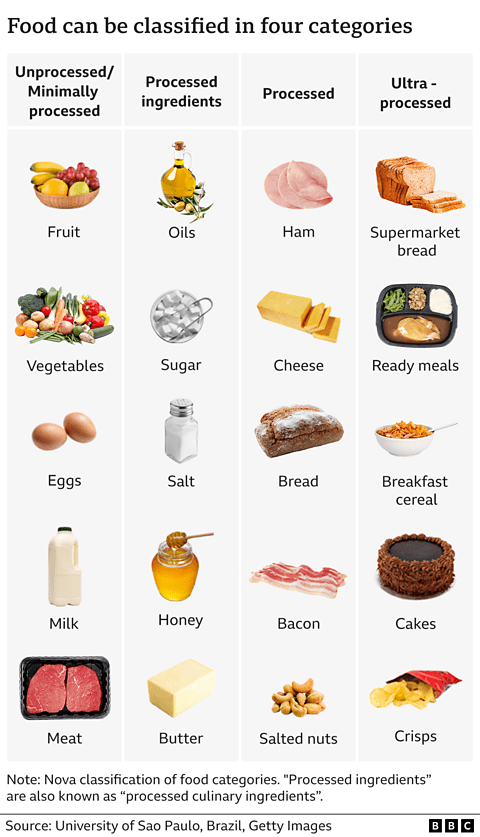
Introduction to Ultra Processed Foods
Ultra processed foods (UPFs) have become a significant concern in discussions about public health and nutrition. Characterised by their high levels of added sugars, fats, and preservatives, these foods are manufactured using industrial processes that go beyond traditional cooking methods. As more consumers become aware of their dietary choices, understanding the impact of ultra processed foods has never been more relevant.
Defining Ultra Processed Foods
The term ‘ultra processed foods’ refers to products made predominantly or entirely from substances extracted from foods or derived from food constituents. This includes ingredients such as sugar, oils, fats, and artificial additives that are not typically found in a conventional kitchen. Common examples include sugary beverages, packaged snacks, instant noodles, and ready-to-eat meals. These items are often marketed for their convenience, but their health implications are under scrutiny.
Current Research and Findings
Recent studies indicate a correlation between the consumption of ultra processed foods and various health issues, including obesity, heart disease, and diabetes. For instance, research published in the British Medical Journal highlights that people who consume high amounts of UPFs may be at an increased risk of developing hypertension and other cardiovascular diseases. Notably, a study in France revealed that for each additional serving of UPFs consumed daily, the risk of obesity increased by 16% over five years.
Public Health Responses
In response to the growing concerns, many health organisations, including the World Health Organisation (WHO) and Public Health England, are advocating for dietary guidelines that limit ultra processed food intake. Educational campaigns aim to raise awareness about the risks associated with such diets while promoting home-cooked meals made from whole, minimally processed ingredients. Some regions are even considering policies to discourage consumption of UPFs, such as taxing sugary drinks or restricting advertising aimed at children.
Conclusion: A Call for Mindful Consumption
The implications of ultra processed foods are significant as society grapples with rising health challenges. With ongoing research painting a concerning picture, it is crucial for consumers to be mindful of their food choices. Advocates recommend prioritising fresh, whole foods and preparing meals at home whenever possible. By making informed decisions, individuals can contribute to a healthier public diet and combat the negative health consequences linked to ultra processed foods.