

Understanding Colon Cancer Symptoms and When to Act
Introduction: Why recognising colon cancer symptoms matters
Colon cancer is one of the most common cancers in the UK and worldwide. Early recognition of colon cancer symptoms is critical because prompt diagnosis substantially increases treatment options and survival rates. Increasing awareness helps people seek assessment and screening earlier, reducing the chance of late-stage diagnosis.
Main body: Key signs, risk factors and screening
Common symptoms to notice
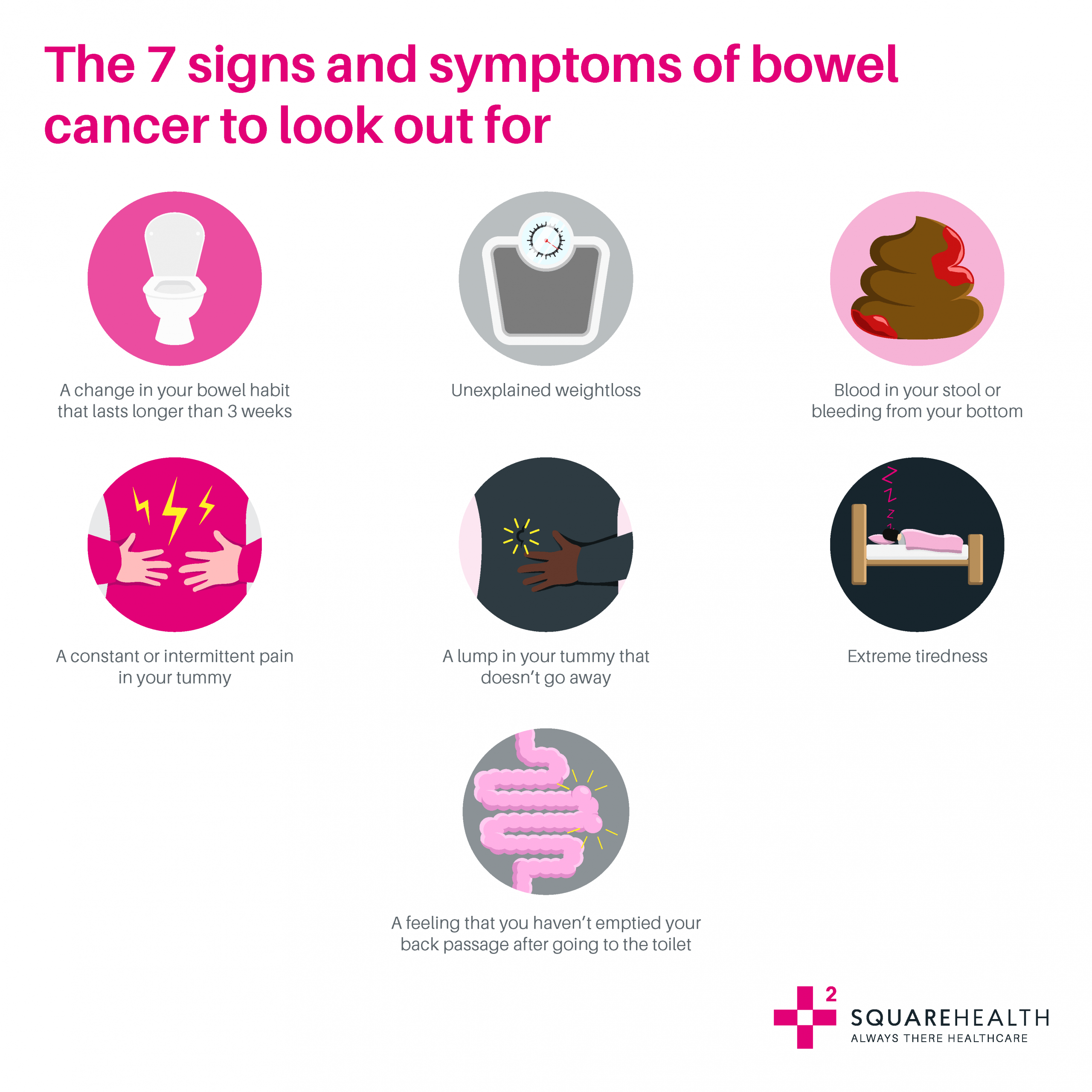
Typical colon cancer symptoms include a persistent change in bowel habits (such as diarrhoea or constipation), blood in the stool or darker stools, unexplained and persistent abdominal pain, bloating or cramping, unexplained weight loss, and persistent fatigue often linked to anaemia. Symptoms can vary depending on the tumour’s location and size; some people may notice only subtle changes at first.
Who is at higher risk?
Risk increases with age, but incidence among younger adults has risen in recent years. A family history of colorectal cancer or certain hereditary conditions raises risk, as do lifestyle factors such as smoking, heavy alcohol use, a diet high in red and processed meats, obesity and low physical activity. Long-standing inflammatory bowel disease (ulcerative colitis or Crohn’s disease) also increases risk.
Screening and diagnostic steps
Screening programmes and diagnostic tests improve early detection. Faecal immunochemical tests (FIT) can flag hidden blood in stool and are used in screening invitations. Abnormal results typically lead to colonoscopy, which allows direct visual inspection and biopsy. Imaging and blood tests, including checks for anaemia, support diagnosis and staging.
When to seek medical help
If you notice persistent changes in bowel habit, blood in your stool, unexplained weight loss or ongoing abdominal pain, contact your GP promptly. If symptoms are severe — heavy rectal bleeding, sudden severe abdominal pain or fainting — seek urgent care. Prompt assessment accelerates diagnosis and access to treatment.
Conclusion: Implications and outlook
Awareness of colon cancer symptoms can save lives by encouraging timely medical review and participation in screening. Public health efforts to expand screening and promote healthy lifestyles aim to reduce incidence and improve outcomes. Individuals noticing persistent or worrying symptoms should consult their GP without delay — early action remains the most effective step readers can take.