

Understanding Pneumonia: Causes, Symptoms, and Treatments
Introduction
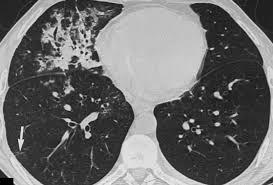
Pneumonia is a serious respiratory infection that inflames the air sacs in one or both lungs, which can fill with fluid or pus, causing symptoms such as cough, fever, chills, and difficulty breathing. Given the recent global health concerns, including the COVID-19 pandemic, understanding pneumonia has become increasingly important. With significant implications for public health, pneumonia remains one of the leading causes of morbidity and mortality worldwide, particularly among vulnerable populations like the elderly and those with pre-existing conditions.
What Causes Pneumonia?
Pneumonia can be caused by various infectious agents, the most common being bacteria, viruses, and fungi. The most prevalent bacterial cause of pneumonia is Streptococcus pneumoniae, while viral pneumonia can be caused by influenza viruses and respiratory syncytial virus (RSV). Fungal pneumonia is less common but can affect immunocompromised individuals. Outside these pathogens, pneumonia can also result from inhaling foreign substances.
Symptoms to Watch For
The symptoms of pneumonia can range from mild to severe and may include:
- Cough, which may produce phlegm
- Shortness of breath
- Chest pain while breathing or coughing
- Fever, sweating, and chills
- Fatigue
- Confusion or changes in mental awareness (especially in older adults)
Treatment and Prevention
Treatment for pneumonia depends on its severity and the underlying cause. Bacterial pneumonia is typically treated with antibiotics, while viral pneumonia may require antiviral medications. Supportive care, including fluids and rest, is essential for all types. In serious cases, hospitalisation may be necessary, where more intensive interventions such as oxygen therapy or mechanical ventilation can be provided.
Preventative measures play a crucial role in reducing the incidence of pneumonia. Vaccination against pneumococcus and influenza is recommended, especially for at-risk populations. Good hygiene practices, such as hand washing and avoiding smoking, can also significantly decrease the risk of contracting pneumonia.
Conclusion
Pneumonia remains a critical public health challenge, with significant impacts on individuals and healthcare systems. As new strains of pathogens emerge and global travel continues, the ability to prevent, diagnose, and treat pneumonia effectively is essential. Awareness of its symptoms and early medical intervention can lead to better outcomes, highlighting the importance of continued public health education and vaccination efforts. As research progresses, it is vital for healthcare providers and communities to remain vigilant in the fight against pneumonia.