

World Health Day: Spotlight on Global Health Priorities
Introduction
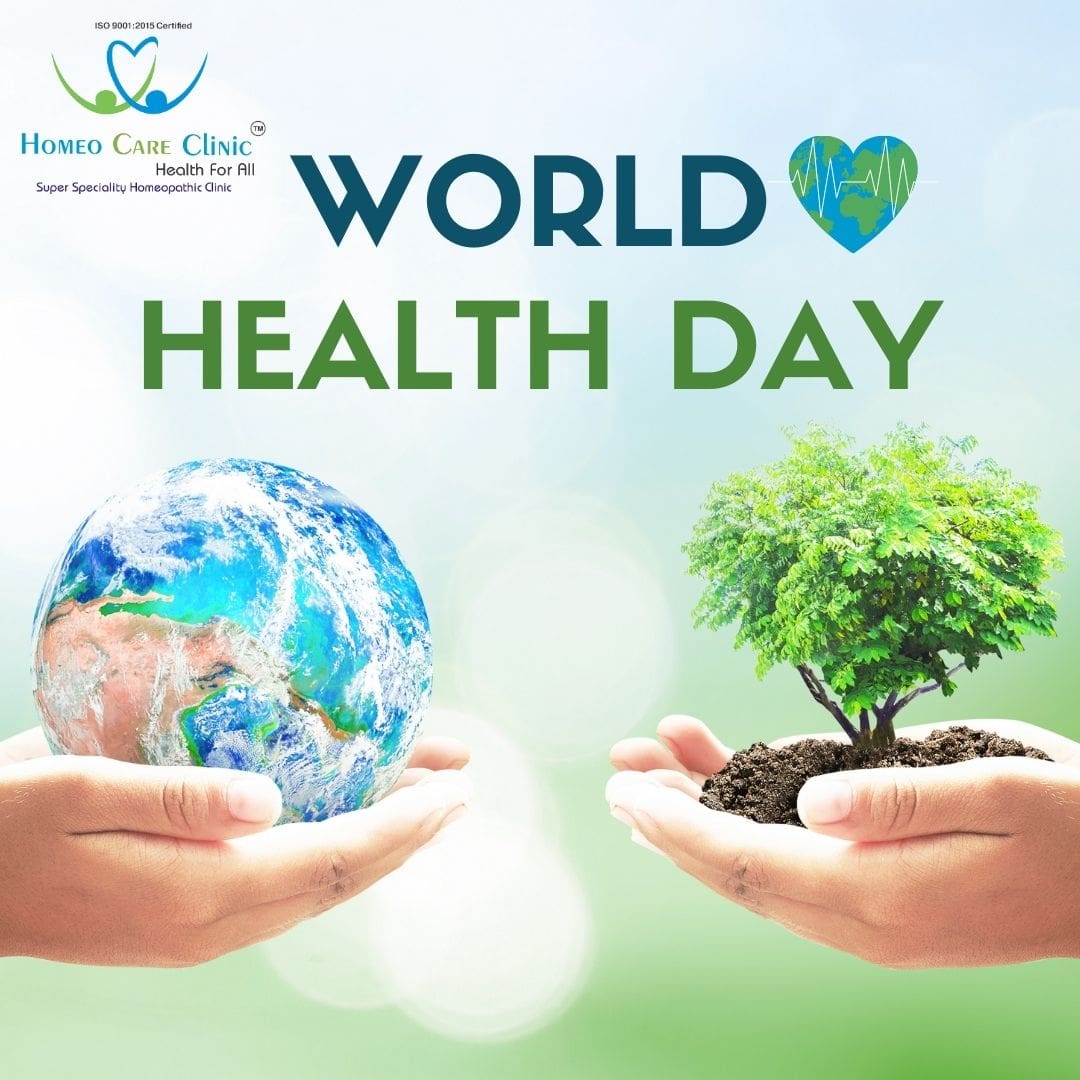
World Health Day is an annual moment for governments, health organisations and the public to focus on pressing public health issues. Observed each year on 7 April and spearheaded by the World Health Organization (WHO), the day raises awareness, mobilises resources and encourages policy and community action. Its relevance has grown as nations grapple with pandemics, ageing populations and unequal access to healthcare.
Main body
Background and purpose
World Health Day was first observed in 1950 and has since become a platform for highlighting a single priority area within global health. Each year the WHO selects a theme to guide campaigns, events and policy discussions. Themes are intended to concentrate attention on issues ranging from communicable disease control to mental health and universal health coverage.
Typical activities and participation
Governments, public-health agencies, non-governmental organisations and community groups mark World Health Day with activities that include public information campaigns, health screenings, policy announcements and conferences. Media coverage and social media campaigns help spread key messages, while local clinics and hospitals often offer outreach services or free checks to vulnerable groups.
Why it matters now
In an era of interconnected health threats — from emerging infections to the chronic burden of non-communicable diseases — World Health Day serves both as a reminder of shared vulnerability and as a call to action. It reinforces the importance of resilient health systems, equitable access to services and sustained investment in prevention, workforce development and primary care.
Conclusion
World Health Day remains a yearly focal point for advocacy and practical action. For readers, it signals opportunities to engage locally — whether through awareness-raising, supporting health services, or pressing policymakers for stronger, fairer systems. Looking ahead, the day is likely to continue shaping priorities and encouraging collaboration between governments, communities and international partners to address both immediate crises and the long-term determinants of health.