

Understanding the National Trust: Preserving Britain’s Heritage
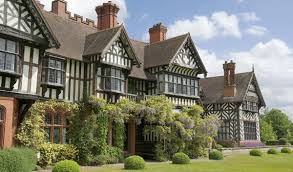
Introduction: Why the national trust matters
The national trust plays a central role in conserving the United Kingdom’s cultural and natural heritage. By caring for historic houses, gardens, countryside and coastline, the organisation preserves places of historical, architectural and environmental importance for current and future generations. Its work is relevant to tourism, education, climate resilience and community well‑being, making understanding the trust important for anyone interested in heritage or the outdoors.
Main body: Activities, structure and current focus
What the organisation does
The national trust is a charity that maintains hundreds of properties and large areas of land across England, Wales and Northern Ireland. Its responsibilities span the upkeep of historic buildings and gardens, habitat restoration, coastal management and providing public access. The trust operates a network of staffed sites, volunteers and local branches to deliver conservation, interpretation and visitor services.
Funding and engagement
Funding comes from a mix of membership subscriptions, admissions, donations, legacies and commercial activities such as shops and cafés. Millions of members and volunteers support the trust’s work, contributing both financially and through hands‑on conservation and community projects. Public engagement—through visits, volunteering or educational programmes—remains a key element of the trust’s mission.
Contemporary challenges and priorities
Like many heritage organisations, the national trust faces pressures from climate change, coastal erosion, biodiversity loss and the need to make sites accessible and relevant to diverse audiences. Priorities include adapting properties and landscapes to changing conditions, widening participation, and balancing conservation with sustainable tourism and local economic needs.
Conclusion: What it means for readers
The national trust’s stewardship helps protect tangible links to the past while supporting landscapes and ecosystems vital today. For readers, this means opportunities to visit, learn, volunteer or support conservation efforts locally. Looking ahead, the trust will likely continue evolving its approaches to funding, community engagement and climate adaptation to secure the UK’s heritage for the future.