

Ardross Castle: History, Grounds and Chapel in the Highlands
Introduction
Ardross Castle is a noteworthy example of 19th-century Scottish Baronial architecture and a landmark within the Highlands. Its historical ownership, distinctive design and extensive grounds make it relevant to those interested in Scottish architecture, local heritage and landscape conservation. Located near Alness in Ross‑shire and roughly 30 miles (48 km) north of Inverness, the castle offers insight into regional social history and estate development.
Main body
Location and architectural character
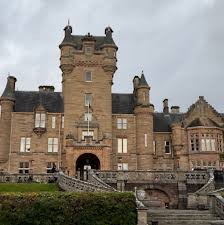
Ardross Castle sits within formal gardens and is set amid over 100 acres of parkland. The building exemplifies the Scottish Baronial style popular in the 19th century. The architect Alexander Ross was commissioned to re‑design the castle in this Scots Baronial idiom, giving the estate its characteristic appearance and presence in the Highland landscape.
Ownership and changes
The castle and estate have passed through several notable owners. Following the death of Sir Alexander, his son Sir Kenneth Matheson sold the estate in 1898 to Charles William Dyson Perrins, a captain in the Highland Light Infantry with business interests in the Worcester Royal Porcelain Company and Lea & Perrins sauce. In the 20th century, Mr and Mrs Austin Mardon purchased Ardross Castle together with 80 acres (32 ha) of associated land and lived there until 1983. After that year the castle and grounds were sold to the McTaggart family, who began a programme of restoration work to maintain and revive the property.
Chapel and local significance
Within the castle courtyard is the Chapel of St. John the Baptist, a Greek Orthodox chapel. While not widely known as a primary feature of the estate, the chapel serves as a religious and artistic landmark within the Scottish Highlands and contributes to the cultural interest of Ardross Castle. Some sources also refer to Ardross Castle as the location known as the Traitors Castle, located near Alness in Ross‑shire.
Conclusion
Ardross Castle remains an important piece of Highland heritage: architecturally as a 19th‑century Scottish Baronial house, geographically as part of the Ardross area north of Inverness, and culturally through features such as the courtyard chapel. Continued restoration and stewardship by successive owners have helped preserve the estate’s gardens and parkland. For readers interested in regional history, Ardross Castle illustrates how architecture, ownership and landscape combine to shape local identity in the Scottish Highlands.