

Black Death: Volcanic Eruption May Have Sparked History’s Deadliest Pandemic
New Research Reveals Climate Connection to Medieval Catastrophe
The Black Death — one of the deadliest pandemics in human history, estimated to have killed up to half of Europe’s population — might have been set in motion by a volcanic eruption, a new study suggests. This groundbreaking research, published in December 2025, offers fresh insights into one of history’s darkest chapters and raises important questions about the intersection of climate change and disease transmission in our interconnected world.
Understanding the Black Death’s Devastating Impact
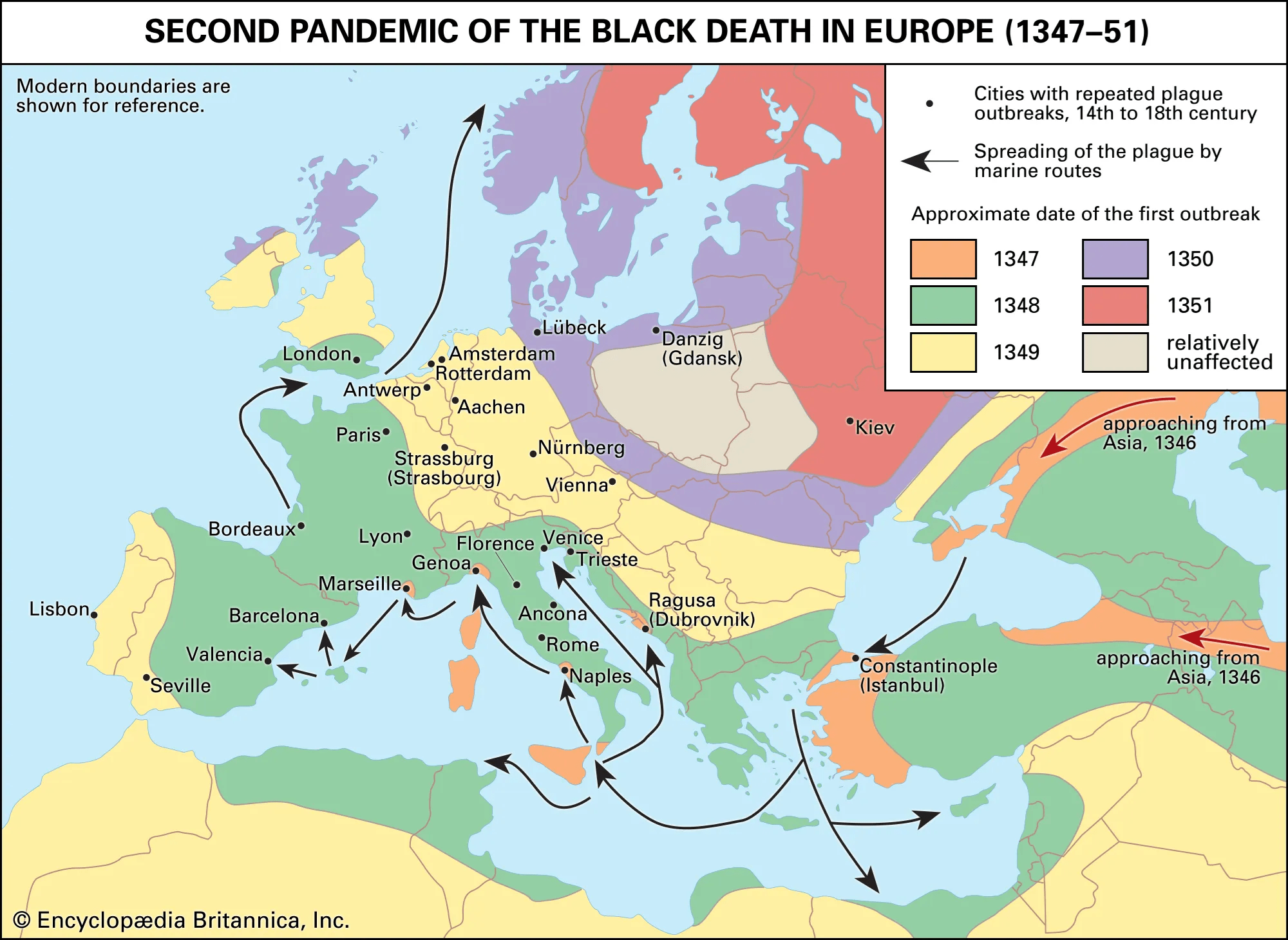
The Black Death was a bubonic plague pandemic that occurred in Europe from 1346 to 1353. It was one of the most fatal pandemics in human history; as many as 50 million people perished, perhaps 50% of Europe’s 14th-century population. The disease is caused by the bacterium Yersinia pestis and spread by fleas and through the air. One of the most significant events in European history, the Black Death had far-reaching population, economic, and cultural impacts.
The Volcanic Connection: A Perfect Storm
The study authors believe an eruption occurred around 1345, about two years before the start of the pandemic, from either a single volcano or a cluster of volcanoes of unknown location, likely in the tropics. By looking at tree rings from across Europe to better understand 14th century climate, checking data against ice core samples from Antarctica and Greenland, and analyzing historical documents, researchers have constructed a “perfect storm” scenario that could explain the origin of the historic tragedy. The volcanic cooling disrupted European agriculture, forcing cities to import grain from the Black Sea region, where plague-infected fleas travelled on ships, ultimately introducing the deadly bacterium to Mediterranean ports.
The Plague Persists Today
Whilst the Black Death’s most devastating years are behind us, the disease hasn’t disappeared. According to the Centers for Disease Control and Prevention, seven human cases are reported annually on average in the United States. Recent cases have been reported in California, Arizona, and New Mexico in 2025, reminding us that the pathogen that fuelled the Black Death never disappeared—it just went into hiding.
Lessons for Modern Pandemic Preparedness
“Although the coincidence of factors that contributed to the Black Death seems rare, the probability of zoonotic diseases emerging under climate change and translating into pandemics is likely to increase in a globalised world,” researchers warn. Understanding how climate, society and disease interacted in the past could also help to inform modern risk assessments and highlight where current vulnerabilities lie. This research serves as a sobering reminder that climate disruption, global trade networks, and infectious disease remain dangerously intertwined in the 21st century.