

DNA Breakthrough Reveals True Origins of Beachy Head Woman from Southern England
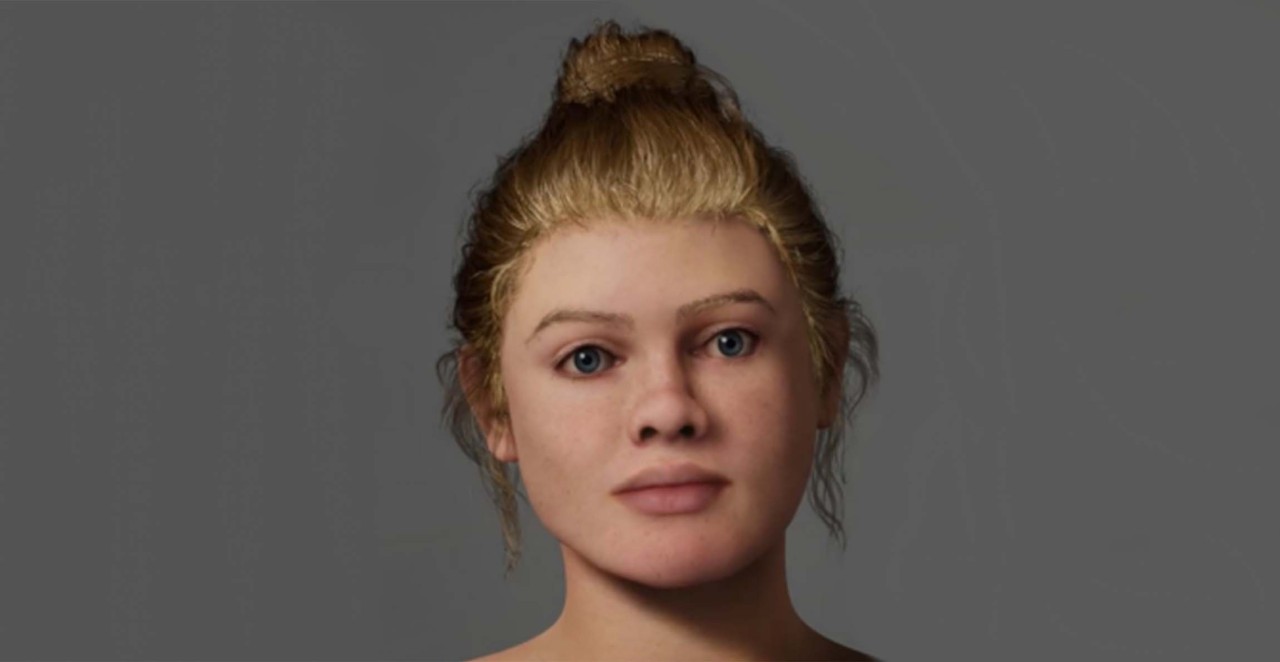
Mystery Finally Solved After Decade of Speculation
The identity of a mysterious Roman-era skeleton found in southern England has finally been resolved after scientists at the Natural History Museum sequenced high-quality DNA from her skeletal remains. The skeleton, known as Beachy Head Woman, was uncovered in 2012 in a box in the basement of Eastbourne Town Hall as part of the Eastbourne Ancestors Project.
The nationwide team led by Dr Selina Brace and Dr William Marsh at London’s Natural History Museum and Andy Walton of University College London announced that the approximately 2,000-year-old individual descended from the local British population of Roman-era southern England. This revelation dramatically overturns more than a decade of speculation about her origins.
A Journey Through Changing Theories
Beachy Head Woman garnered public interest when research suggested she may have had recent sub-Saharan ancestry. Initial morphometric analysis suggested she originated from sub-Saharan Africa, which informed the Eastbourne Museum display and captured media attention. Then in 2017, unpublished DNA work suggested she was more likely to have come from the Mediterranean rather than Africa, possibly Cyprus.
However, this finding was based upon limited DNA data, insufficient for robust conclusions, leaving many questions about Beachy Head Woman unanswered. By 2024, new ancient DNA methods could retrieve more data, allowing scientists to sequence significantly more high-quality DNA.
State-of-the-Art Technology Provides Definitive Answers
Dr William Marsh, who performed the latest DNA analysis, stated that by using state-of-the-art DNA techniques, the team was able to resolve the origins of this individual, showing she carries genetic ancestry most similar to other individuals from the local population of Roman-era Britain. Phenotypic predictions suggest she had blue eyes, intermediate skin pigmentation and light hair.
Radiocarbon dating showed she died between 129 and 311AD, corresponding to the Roman occupation of Britain. Analysis of her skeletal remains suggests she was around 18-25 years old when she died and stood at just over 4.9 feet tall.
Significance for Archaeological Science
Professor Hella Eckardt from the University of Reading, who co-authored the study, explained that constant improvements in archaeological science allow researchers to learn more from skeletal remains, with these latest DNA analyses providing the clearest picture yet of Beachy Head Woman’s ancestry. The case demonstrates the importance of revisiting previous findings using advancing technology.
Dr Selina Brace noted that scientific knowledge and understanding is constantly evolving, and thanks to technological advancement over the past decade, researchers are excited to report this new comprehensive data. This breakthrough highlights how rapidly our understanding of Britain’s ancient past continues to evolve through cutting-edge DNA sequencing methods.