
Introduction: Why the space shuttle challenger still matters
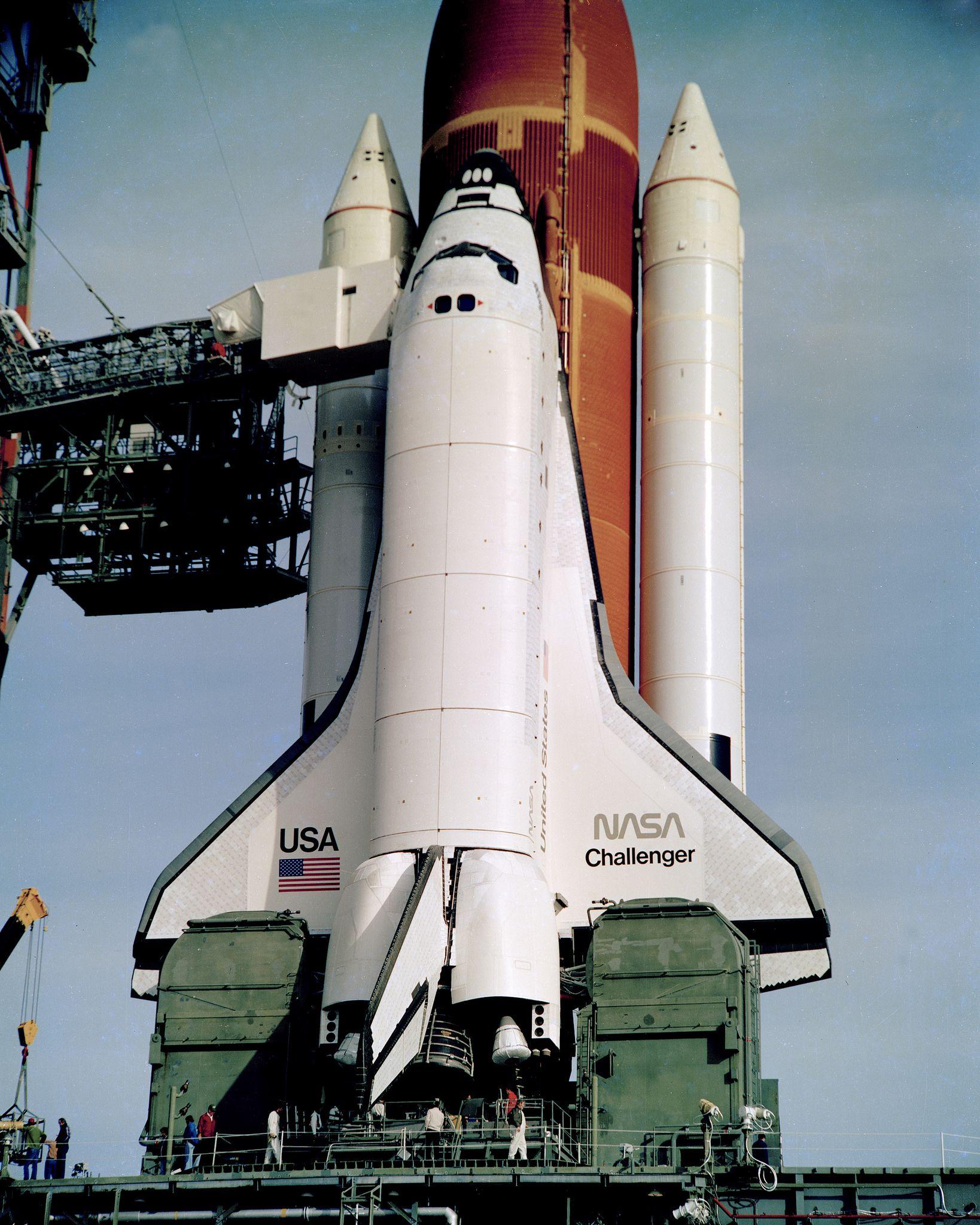
The space shuttle challenger remains a defining moment in human spaceflight and public memory. Its destruction shortly after liftoff on 28 January 1986 highlighted the risks of crewed spaceflight, raised questions about engineering decisions and organisational culture, and brought the possibility of space travel for ordinary citizens into sharp relief. The event continues to be referenced in debates about safety, transparency and the future of crewed missions.
Main body: Events and evidence from the launch
Launch day and mission context
At 11:38 a.m. EST on 28 January 1986, the space shuttle challenger lifted off from Cape Canaveral, Florida, on the tenth shuttle mission, designated STS-51-L. Among the crew was Christa McAuliffe, selected to become the first ordinary U.S. civilian to travel into space after months of shuttle training. The launch followed repeated delays: beginning on 23 January, the countdown was postponed several times because of weather and technical problems.
Technical concerns and post-launch findings
The shuttle design included two solid rocket boosters (SRBs) attached to a large external fuel tank – a configuration that made the orbiter the first space vehicle propelled in part by SRBs. Concerns about components in the boosters emerged both before and after the accident. When SRBs were later recovered from the Atlantic, investigators noted that partial leaking of the O-rings was worse than previously observed. Engineers at Morton Thiokol, the contractor responsible for the SRBs, had discussed risks internally; accounts describe meetings among engineers, including gatherings in the office of senior staff such as Bob Ebeling, where the problem was debated.
Responses and cultural impact
Commentators and engineers have argued the disaster could have been prevented. As one engineer reflected, the economics of reusable vehicles shaped choices: “We couldn’t afford to build a billion‑dollar rocket and throw it in the ocean every time.” The tragedy generated sustained public attention and numerous documentaries and films exploring both the mission and its aftermath, including dramatizations and investigative series that have kept the story in the public eye.
Conclusion: Lasting significance and lessons
The challenger disaster emphasised the need for rigorous safety assessment, clear channels for raising technical concerns, and the value of transparency when human lives are at stake. Its legacy persists in how space agencies and contractors approach risk, and in the cultural memory preserved by documentaries and reporting. For readers, the event is a reminder that technological ambition must be paired with vigilant engineering and organisational accountability if future crewed missions are to be safer.