

Freemasons: Origins, Activities and Contemporary Significance
Introduction: Why freemasons matter now
The freemasons remain one of the most recognisable fraternal organisations in the UK and internationally. Their history, rituals and charitable work touch on questions of civil society, philanthropy and public trust. Coverage of the freemasons is relevant to readers interested in heritage, community volunteering and debates about transparency in voluntary organisations.
Main developments and background
Historical roots
Freemasonry traces its institutional origins to the early 18th century, when operative stonemasons’ lodges evolved into speculative lodges for men interested in moral philosophy, mutual support and ritual. In the United Kingdom the United Grand Lodge of England, formed in 1717, is widely recognised as one of the principal governing bodies and a reference point for many contemporary lodges.
Activities and public role
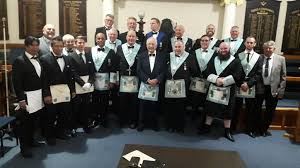
Modern freemasons typically meet in local lodges and pursue a mix of social, educational and charitable activities. Charity and fundraising are prominent: lodges and grand lodges support local charities, community projects and national causes. Meetings often include ritual and symbolism, which members view as a means of personal development and fellowship.
Transparency and public scrutiny
Despite longstanding community work, freemasonry faces scrutiny over secrecy and influence in public life. The organisation’s traditions of private membership and ceremonial practice have led to misconceptions and occasional public debate. In recent years many lodges and governing bodies have taken steps toward greater openness about charitable spending, membership processes and public engagement.
Membership and social relevance
Like many voluntary associations, freemasonry has adjusted to changing social patterns. Some jurisdictions have reported ageing memberships and efforts to attract younger members have included community outreach and modernising communications. At the same time, lodges continue to be places for civic networking and local philanthropy.
Conclusion: What readers should know
The freemasons remain a notable example of a historical institution adapting to contemporary expectations. For readers, the organisation’s significance lies in its combination of heritage, charitable activity and the ongoing public conversation about openness in civic life. Observers can expect further emphasis on transparency and community engagement as lodges seek to sustain membership and public trust.