

Holocaust: Why Remembrance and Education Matter
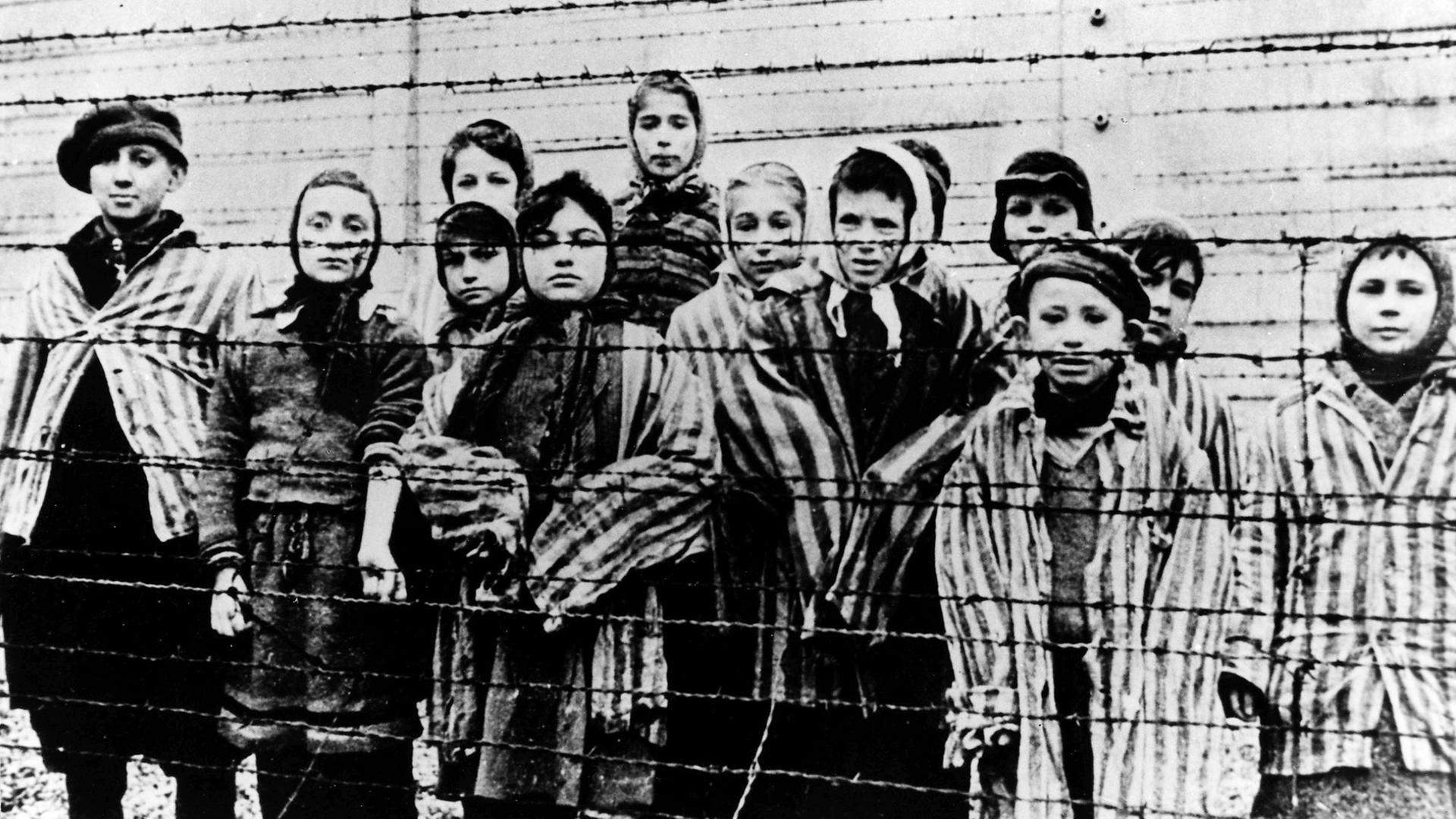
Introduction: Why the Holocaust matters today
The Holocaust was a state-sponsored campaign of mass murder and persecution during the Second World War. Its scale, targeting of civilians and systematic nature make it a defining atrocity of the 20th century. Remembering the Holocaust is important not only to honour victims and survivors, but also to understand how prejudice, propaganda and political extremism can combine to erode rights and fuel violence. The topic remains relevant as societies continue to confront antisemitism, racism and the spread of misinformation.
Main developments and facts
Scale and victims
During the Holocaust millions of Jewish people were murdered alongside Roma and Sinti communities, disabled people, political opponents, members of LGBTQ+ communities, Jehovah’s Witnesses and many others targeted by persecutory policies. The atrocity was carried out through deportations, mass shootings, forced labour, ghettos and extermination camps. Survivor testimony, archival records and scholarship have established a detailed historical record that documents mechanisms of persecution and the experiences of victims.
Remembrance, education and memorialisation
Commemoration and education play central roles in preserving memory. Museums, memorial sites, educational curricula and digital archives help maintain public awareness and provide platforms for testimony and study. These initiatives aim to teach new generations about the human consequences of hatred, the importance of human rights and the need for civic vigilance. Survivor accounts remain particularly powerful, though as time passes the preservation of recorded testimony and reliable archives grows more urgent.
Current challenges
Contemporary challenges include the persistence of antisemitic attitudes, Holocaust denial and distortion, and the trivialisation of historical atrocities in public discourse. The rise of online misinformation and extremist content increases the risk that false narratives will spread. Ensuring accurate, context-rich education and accessible historical records is key to countering these threats.
Conclusion: Significance for readers
Understanding the Holocaust is a matter of historical responsibility and civic awareness. Continued education, active remembrance and support for reliable archives help prevent repetition of past horrors. For readers, this means engaging with credible sources, supporting remembrance efforts and recognising how prejudice and exclusion can escalate if left unchecked. Preserving memory is a collective task with enduring relevance for democratic societies.