

Nuremberg Trials: Commemorating 80 Years of International Justice
Introduction: The Birth of Modern International Justice
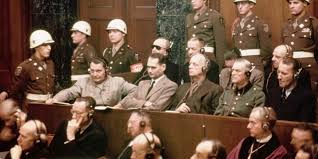
The Nuremberg Trials, which began on November 20, 1945, represent a watershed moment in global history. These international criminal trials were held by France, the Soviet Union, the United Kingdom, and the United States against leaders of defeated Nazi Germany for plotting and carrying out invasions of several countries across Europe and committing atrocities against their citizens in the Second World War. As the world marks the 80th anniversary of these groundbreaking proceedings, their significance resonates more powerfully than ever, establishing precedents for modern international criminal law and accountability that continue to shape justice worldwide.
Recent Commemorations and Cultural Impact
Eighty years ago, the Nuremberg Trials established the first international tribunal to hold leaders accountable for war crimes, crimes against humanity, crimes against peace, and conspiracy to commit those crimes. These historic proceedings reshaped international law and raised profound ethical questions that continue to shape our world today. Throughout 2025 and 2026, institutions worldwide have launched commemorative events to honour this legacy.
The Harvard Law School Library released a digital archive of its records from all 13 Nuremberg trials, marking the 80th anniversary of the first trial, an international military tribunal convened on November 20, 1945 that prosecuted 22 of the surviving top leaders from Nazi Germany. Additionally, a new film titled ‘Nuremberg’ was released in November 2025 by Sony Pictures Classics, bringing renewed attention to these historic proceedings.
Historical Significance and Lasting Impact
For the first time in world history, leading representatives of a state had to answer for their crimes before an international court. Between 20 November 1945 and 1 October 1946, the International Military Tribunal (IMT) tried 22 of the most important surviving leaders of Nazi Germany in the political, military, and economic spheres, establishing charges that had never existed before.
The Nuremberg trials began on Nov. 20, 1945, in what is now seen as the birthplace of a new era of international law. The proceedings broke new ground in holding government leaders individually responsible for their aggression and slaughter of millions of innocents. The tribunal introduced groundbreaking legal concepts, including crimes against humanity and crimes against peace, which remain fundamental to international justice today.
Conclusion: A Guiding Light for Modern Justice
The legacy of the Nuremberg Trials extends far beyond the courtroom in 1946. Eighty years later, the legacy of Nuremberg remains a guiding light for truth, justice, and the rule of law. These trials established that no individual, regardless of position or power, stands above international law—a principle embodied in modern institutions like the International Criminal Court.
As commemorative events continue through October 2026, the Nuremberg Trials remind us that accountability for atrocities remains essential to preventing future horrors. For contemporary readers facing modern conflicts and human rights challenges, understanding Nuremberg’s principles offers crucial lessons about justice, accountability, and the international community’s responsibility to protect human dignity.