

Pearl Harbor Remembrance: A Turning Point as Last Survivors Fade from History
Introduction: The Significance of Remembering Pearl Harbor
On 7 December 2025, the world marked the 84th anniversary of the devastating attack on Pearl Harbor, a moment that changed the course of history and drew the United States into the Second World War. This year’s remembrance held particular significance as no survivors were able to attend, marking the first time in more than eight decades that firsthand witnesses to the attack were absent from the ceremony. With only 12 Pearl Harbor survivors remaining, all over 100 years old, this commemoration represents a pivotal transition from living memory to historical preservation.
The Historic Attack and Its Enduring Impact
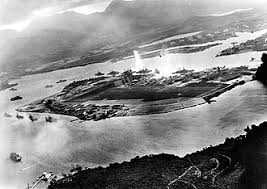
On 7 December 1941, a peaceful Sunday morning was shattered by an unprovoked attack by Imperial Japan on the United States Pacific Fleet at Pearl Harbor, claiming the lives of 2,403 American service members and civilians. The assault propelled America into the Second World War and forever changed the nation’s trajectory. The theme of the 84th Anniversary commemoration, ‘Building Pathways to Peace’, highlights the importance of remembering when prospects for peace were shattered whilst looking forward with gratitude and determination to cultivate a brighter future.
Passing of the Torch to Future Generations
About 2,000 survivors attended the 50th anniversary event in 1991, a few dozen have attended in recent decades, and last year only two survivors made it to the ceremony. As Tom Leatherman, superintendent of the Pearl Harbor Memorial, stated during the ceremony: those who carried the torch for so long must now pass it on, with a collective responsibility to ensure the story of Pearl Harbor is not lost to time. Organisations such as the Sons and Daughters of Pearl Harbor Survivors now give presentations in schools and march in parades to share their families’ stories, with the California chapter adding six new members this year, including two great-grandchildren of survivors.
Conclusion: Preserving Memory for Future Generations
As the last living witnesses to Pearl Harbor approach the end of their lives, the responsibility of remembrance shifts to subsequent generations. Historians are now revealing hidden stories of ‘true last survivors’ — children of service members who were living on military bases during the attack and became traumatised eyewitnesses to shocking scenes of destruction. For readers today, the significance of Pearl Harbor extends beyond historical commemoration; it serves as a stark reminder of the cost of war and the enduring value of peace. The transition from living memory to historical record makes it more crucial than ever to preserve these stories through education, commemoration, and continued vigilance in pursuing pathways to lasting peace.