

Teignmouth Pier: Victorian Grand Pier Damaged by Storm Ingrid
Introduction — Why Teignmouth Pier matters
Teignmouth Pier, also known as the Grand Pier, is a Victorian-era structure on the Devon coast whose history and continued presence contribute to local identity, tourism and community life. Built between 1865 and 1867 in Teignmouth, Devon, England, the pier is both an architectural relic and a public amenity. Recent storm damage has brought the pier’s vulnerability and its importance to the fore, prompting local concern and attention.
Main body — History, use and recent events
History and significance
The Grand Pier at Teignmouth was constructed between 1865 and 1867. Over more than a century, it has been recognised locally as a landmark and gathering place. Its Victorian origins underline the pier’s heritage value, and it has long formed part of Teignmouth’s seafront character.
Community use
Locally the pier is promoted as a recreational destination. Social media information for Teignmouth Pier describes it as a great day out for family and friends, indicating its role in attracting visitors and supporting local leisure activities.
Storm Ingrid and damage
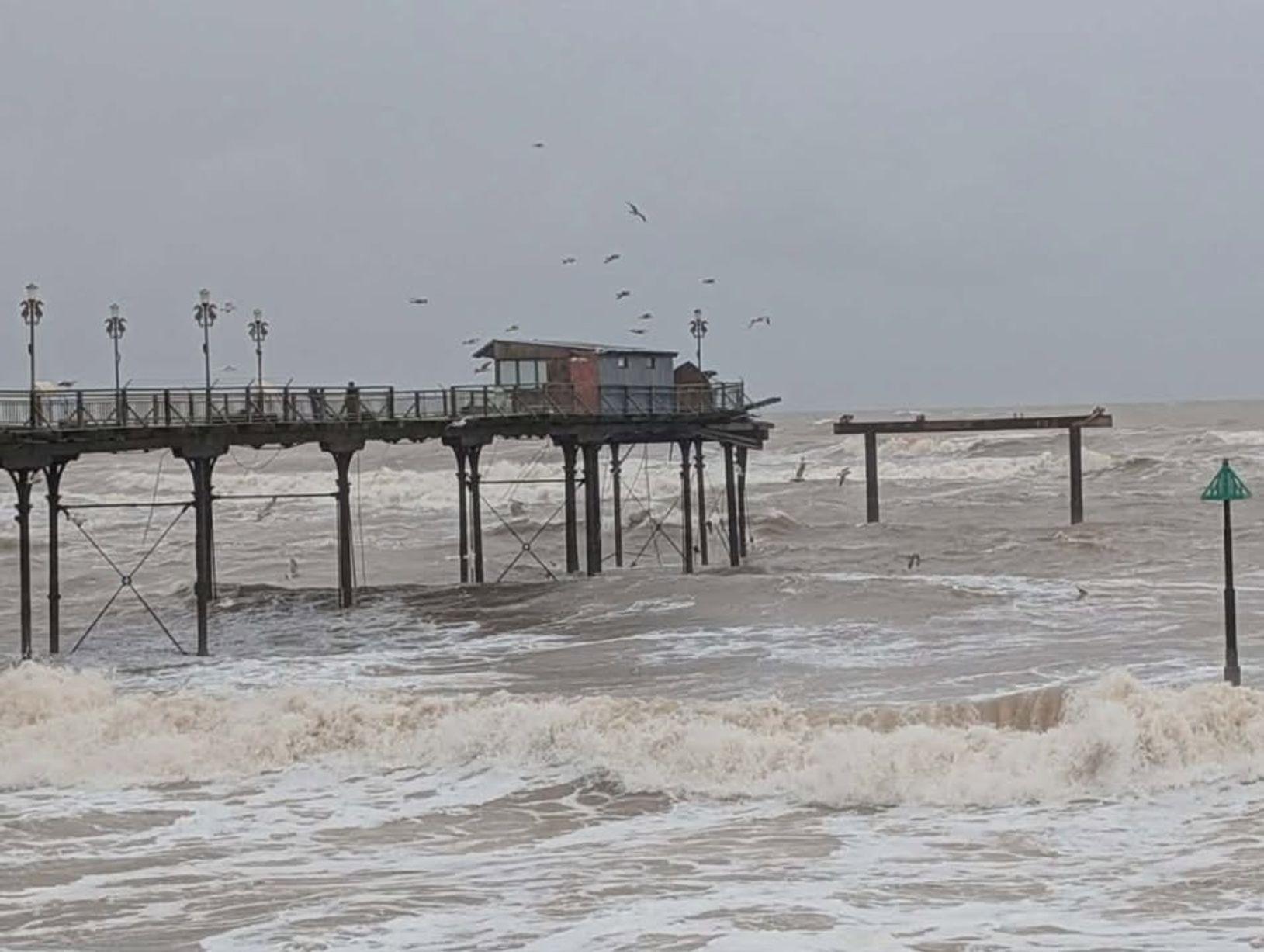
Severe weather associated with Storm Ingrid caused part of the Victorian pier to collapse under the force of waves. Reports note that storm action washed away a section of the pier, a development that has drawn attention from residents and local officials. The town’s mayor, Cate Williams, commented on the incident, highlighting its local significance. The event illustrates how coastal storms can impact historic structures and community amenities.
Conclusion — Implications and outlook
The partial collapse of Teignmouth Pier underscores the exposure of coastal heritage to extreme weather. For residents and visitors, the damage reduces immediate access to a well-known seafront attraction and raises questions about repair, resilience and future protection of the structure. Going forward, the incident is likely to prompt assessment of the pier’s condition and discussions about restoration and coastal defences. For readers, the situation is a reminder of how changing weather patterns can affect local landmarks and why preservation and planning matter for seaside communities.